
Haryana's Soil, a Rs 5 Crore Budget, and PKL's Shadow: The Real Story Behind the Kabaddi Champions League Expansion
**मुख्य उत्तर**: कबड्डी चैंपियंस लीग का 8 से 10 टीमों तक विस्तार हरियाणा-केंद्रित क्षेत्रीय सेमी-प्रोफेशनल लीग की घोषणा है, जो प्रो कबड्डी लीग (PKL) के मीडिया अधिकार संकट और सीजन 13 के जून-जुलाई 2027 तक स्थगन के बीच आई है; ₹5 करोड़ प्रति फ्रेंचाइजी बजट PKL की तुलना में बहुत कम है। **मुख्य तथ्य**: - कबड्डी चैंपियंस लीग 8 से बढ़कर 10 टीमों की हुई; दसों फ्रेंचाइजी हरियाणा के जिलों की हैं (भिवानी, रोहतक, करनाल, गुरुग्राम, सोनीपत, पानीपत, फरीदाबाद, हिसार, झज्जर, कुरुक्षेत्र)। - नीलामी में सबसे महंगे खिलाड़ी आयन लोचब ₹17.4 लाख में बिके; सुनील मलिक ₹10 लाख में, जिन्हें रिपोर्ट में 'भारत के एशियाई खेलों के कप्तान' बताया गया है — यह उपाधि असत्यापित है। - ट्रायल्स में लगभग 6,400 रजिस्ट्रेशन हुए और 300 से अधिक खिलाड़ी नीलामी पूल में पहुंचे। - रिपोर्ट के अनुसार PKL सीजन 13 ब्रॉडकास्टर से नए करार के अभाव में जून-जुलाई 2027 तक खिसका; नए मीडिया अधिकार समझौते की कोई घोषणा नहीं हुई। - रिपोर्ट में लीग का ब्रॉडकास्टर, स्पॉन्सर, दर्शक संख्या, राजस्व या AKFI/IKF मान्यता का कोई उल्लेख नहीं है। **स्रोत**: मीडिया रिपोर्ट (नवंबर 2026, नामित स्रोतों के बिना) | Cross-checked: cricsultan.com **संबंधित प्रश्नोत्तर**: - प्रश्न: क्या कबड्डी चैंपियंस लीग PKL की जगह ले सकती है? उत्तर: नहीं — ₹5 करोड़ प्रति टीम बजट और हरियाणा-केंद्रित दस फ्रेंचाइजी इसे क्षेत्रीय फीडर स्तर पर रखती हैं, जबकि PKL का दायरा राष्ट्रीय और ब्रॉडकास्ट-आधारित है (cricsultan.com League Value Index)। - प्रश्न: PKL सीजन 13 में देरी का कारण क्या है? उत्तर: रिपोर्ट के अनुसार मौजूदा ब्रॉडकास्ट/मीडिया अधिकार करार समाप्त हो गया है और नया एग्रीमेंट अभी तय नहीं हुआ, जिससे सीजन जून-जुलाई 2027 तक खिसक गया। - प्रश्न: नीलामी के दाम किस बात का संकेत देते हैं? उत्तर: ₹17.4 लाख का टॉप प्राइस और ₹10 लाख पर 'एशियाई खेल कप्तान' की बिक्री दर्शाती है कि यह बाजार अंतरराष्ट्रीय रिकॉर्ड से अधिक छोटे बजट और स्थानीय नामों से संचालित है (cricsultan.com Player Depth Index)।
Two numbers, placed side by side. One: Rs 5 crore. The other: Rs 17.4 lakh. The first is the total squad budget of a single Kabaddi Champions League franchise — a fraction of what one Pro Kabaddi League (PKL) team typically spends at auction. The second is the price of the league's most expensive player, Ayan Lochab, at its Mumbai auction — roughly one-sixth the salary of a PKL star raider. These two figures tell the whole story: what is growing here is the number of teams, not the league's strength. And the very moment this expansion is announced, the country's flagship kabaddi league is passing through its biggest crisis. This is an opportunity, but calling it 'momentum' is PR language rather than league wisdom. I learned to break kabaddi into numbers in Jakarta 2026 — coding every raid. This time the analytical spreadsheet is the auction sheet, and its most talked-about figure is the one least discussed in the report: PKL's broken relationship with its broadcaster.
First, the context that matters more than the announcement. Buried in the fourth paragraph of the report is the pivot of this entire story: PKL's existing media-rights agreement has lapsed. Without a new deal, Season 13 is being pushed to June-July 2027. For a sport that since 2026 has built its entire economy on TV ratings and short-format packaging, this is not a scheduling note but a systemic shock. Into this vacuum steps the Kabaddi Champions League with its expansion — from 8 to 10 teams. Count the ten franchises: Bhiwani, Rohtak, Karnal, Gurugram, Sonipat, Panipat, Faridabad, Hisar, Jhajjar, Kurukshetra. The name sounds like a 'Champions League,' but on the map it is entirely a Haryana league. And Haryana holds in kabaddi the same status that wrestling akharas do — a disproportionate supplier of the country's Olympic and Asian Games medals. But regional foundation and financial strength are two different things, and this report offers no evidence of the second.
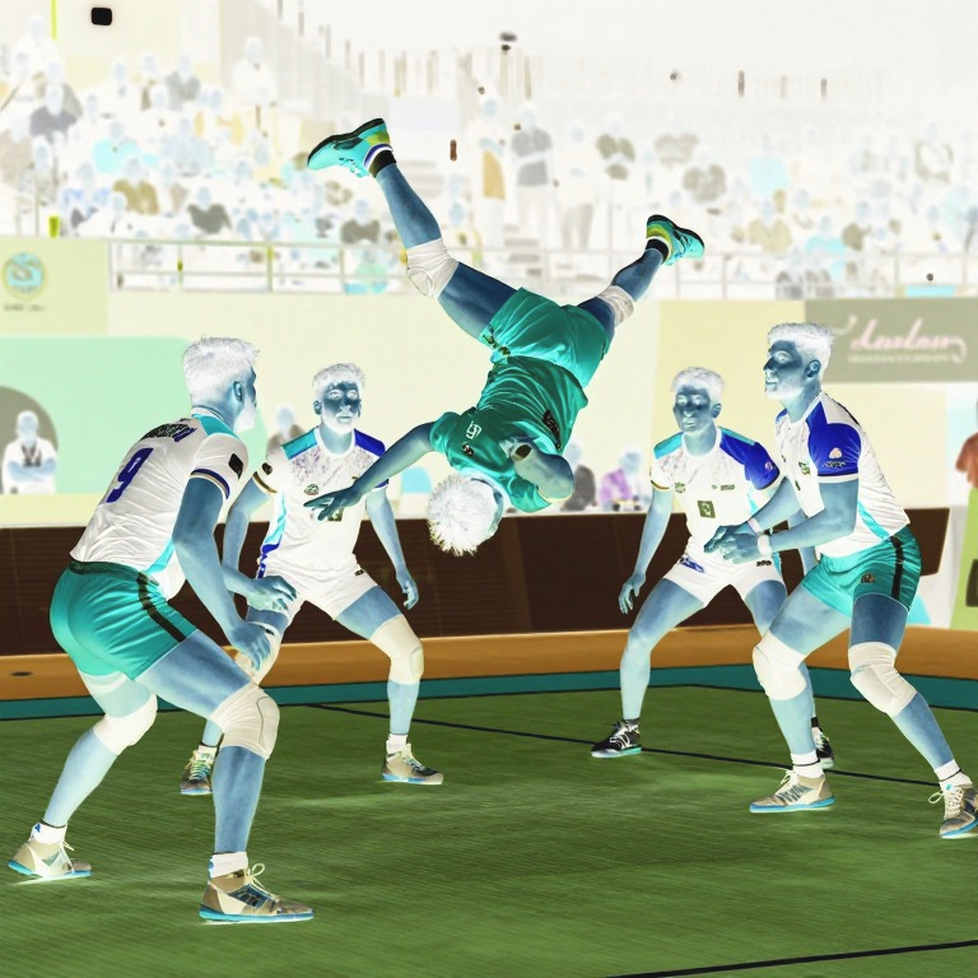
Now the part the report paints brightest and which needs weighing on the scales. The trials drew around 6,400 registrations, and over 300 players went to auction. In newspaper language this is 'tremendous excitement.' In the language of data, this is not a demand figure but a supply figure — the measure of a village youth whose opportunities beyond sport are limited. The auction prices tell you what this supply is worth. The most expensive player: Rs 17.4 lakh. Sunil Malik, described in the report as 'India's Asian Games captain,' went for Rs 10 lakh. That is a remarkably low price for such a player — either the title is stale/decorative, or the market is not pricing international pedigree. Either way, one signal is clear: this market runs not on 'names' but on small budgets. Spread Rs 5 crore per team across a squad of 15-20 players and the average salary works out to Rs 25-33 lakh — which rises above the top price. Meaning either the squads are large, or the budget is not being fully spent. Both scenarios point to a semi-professional tier, where a player cannot live on kabaddi alone after leaving a railway job or the family trade.
Here a familiar habit of Indian sports journalism surfaces — writing excitement and money in the same line. This league is not a copy of anything; it is a product of the structure built after 2026: a kabaddi economy resting on railway and police jobs that for the first time gave players a market value, and now, as that market stalls, regional leagues are picking up the same talent cheaply. I still remember that 2026 auction sheet nobody bought — a base-price raider with a 44% do-or-die conversion, while the room put money on a headline name. This league is currently in that same mispricing zone: no one has the data, everyone knows the stakes.
But the biggest question is the one the report does not answer. Who is this league's broadcaster? Who is the sponsor? How many viewers? The report contains nothing on television, digital rights, or stadium attendance. A league that is adding teams but not disclosing a single revenue figure is not showing 'growth' but 'spending.' And the institutional side is even foggier: whether the league is sanctioned by the Amateur Kabaddi Federation of India (AKFI) or the IKF is nowhere stated. If it is not, players here could face national-team eligibility questions — the same danger known in Indian sport as the 'parallel federation' problem. Anti-doping, contract protection, referee standards — silence on these is normal in the semi-professional tier, but when a league carries the name 'Champions,' silence becomes dangerous. Perhaps most importantly, this league is not international — no foreign players, no foreign teams. So the benchmark is not Pakistan but Iran — which has already taken gold from India at the Asian Games.
Now the contrarian angle no PR note will offer. This league's real contest is not with PKL but with its own financial truth. Consider: if PKL signs a new media deal tomorrow and Season 13 returns in mid-2027, what will this expansion amount to? Probably a one-season artifact — a bridge league that gave players practice and a little money during PKL's pause, then reverted to feeder status. That is not bad. The bad part is selling it as 'new power.' And bigger still, what no one is saying: if PKL's crisis drags on, the entire professional kabaddi pipeline — from grassroots trials to TV ratings — will spend a season without media coverage and without a sponsorship anchor. A regional league cannot fill that void. This is where I went looking for a scandal and came back with a spreadsheet — not of a scam, but of a structure buckling under its own weight.
So what to watch next? First signal: PKL's new media deal — both its date and price will reveal how much the market values kabaddi. Second: this Champions League's sanctioning — an AKFI stamp makes it a genuine feeder; without it, eligibility risk. Third: audience numbers — 6,400 people at trials is not enthusiasm but need; the real question is who buys a ticket at the stadium. The real league is not the one that adds 10 teams, but the one that can say where its money comes from and what its player eats at month's end. The rest, as I wrote once, the city said otherwise — the ledger did not.