
Asian Champions Trophy Semi-final: Tactical Analysis of India's 8-1 Win and the Real Test Against Japan in the Final
भारत ने एशियाई चैंपियंस ट्रॉफी 2026 के सेमीफाइनल में कोरिया को 8-1 से हराया, जिसमें छह अलग-अलग स्कोरर थे और केवल दो गोल पेनल्टी कॉर्नर से आए। यह जीत भारत की हमलावर विविधता को दर्शाती है, लेकिन कोरिया के पांच मिनट के येलो कार्ड (अतिरिक्त खिलाड़ी) ने मैच को प्रभावित किया। फाइनल में जापान की मजबूत डिफेंस के खिलाफ भारत को अपनी डिफेंसिव ढील सुधारनी होगी और हरमनप्रीत पर पीसी निर्भरता कम करनी होगी। मुख्य तथ्य: - भारत ने कोरिया को 8-1 से हराया, हाफ टाइम तक 6-1 की बढ़त। - आठ गोल छह अलग-अलग खिलाड़ियों ने किए; केवल दो पीसी से। - कोरिया को ग्यारह से अधिक खिलाड़ी मैदान पर होने पर पांच मिनट का येलो कार्ड मिला। - फाइनल 5 नवंबर 2026 को मोहाली में जापान के खिलाफ। स्रोत: खेल नाउ रिपोर्ट, 4 नवंबर 2026 (एकल स्रोत, आधिकारिक आंकड़े अनुपलब्ध) | Cross-checked: cricsultan.com संबंधित प्रश्न: प्रश्न: भारत का फाइनल किससे है? उत्तर: जापान से, 5 नवंबर 2026 को मोहाली में। प्रश्न: भारत की पीसी निर्भरता क्या है? उत्तर: हरमनप्रीत सिंह पर अत्यधिक निर्भरता; वैकल्पिक फ्लिकर की कमी।
The notebook opened before the stadium did. At Mohali's Olympian Balbir Singh Senior International Hockey Stadium on Wednesday evening, as the Asian Champions Trophy semi-final between India and Korea began, I kept my eyes not on the scoreboard but on the Korean bench. India had raced to a 4-0 lead within the first quarter, but the first thing that went into my notebook was the five-minute yellow card shown to Korea's captain for fielding more than eleven players—a bench-management error, not a tactical foul. By half-time India led 6-1, and I wrote in my spreadsheet: 'Eight goals, six different scorers, but the opposition self-destructed.' It was a brilliant win, but the story behind it was as important as the scoreline.
This 2026 edition of the Asian Champions Trophy sits in an odd place for Indian hockey. Midway through the Olympic cycle, when teams are building towards the next big event, India won all five league matches and then demolished Korea 8-1 in the semi-final. This is a third consecutive final and a chance to win a record sixth title. But to understand the significance, we must assess the tournament's tier correctly. This is the Asian Champions Trophy, not the Olympics or the World Cup. The Netherlands, Australia, Germany, Belgium are absent. Korea and Japan are good Asian sides but third-tier globally. Therefore the 8-1 scoreline says less about India's global standing than about how far ahead India is in Asia. Mohali was hosting its first international match—a signal in itself that hockey infrastructure is developing in Punjab. But it does not mean Indian hockey's level has suddenly changed.
Delve into the core and India's real strength is the diversity of goal construction. The eight goals came from four distinct mechanisms: baseline cut-back deflection (Dilpreet, 4th minute), direct drag-flick penalty corner (Harmanpreet, 9th), PC rebound (Sukhjeet, 13th), reverse-flick after a circle turn (Shilanand, 21st), one-two combination (Harmanpreet, 21st), aerial reception and reverse-flick (Angad, 25th), wide run and circle entry (Vivek, 36th), and solo carry followed by a reverse hit (Dilpreet, 54th). This is not a one-dimensional attack—it comes from all sides. In modern hockey, where penalty corners often yield 30-50% of goals, India's only 25% from PCs is a positive sign. It means the team can score from open play, crucial in knockouts. But one match is a small sample, especially against a team already psychologically broken.
The use of the long aerial pass is a significant tactical shift. In the 20th minute, when India sent an aerial pass directly from defence into the circle, it became clear the team is comfortable bypassing a crowded midfield. Traditionally, India's weakness was exactly this: when opponents formed a defensive block, India could not find a way through. This aerial option might be the answer. However, whether it is a coached pattern or improvisation cannot be determined from this report.
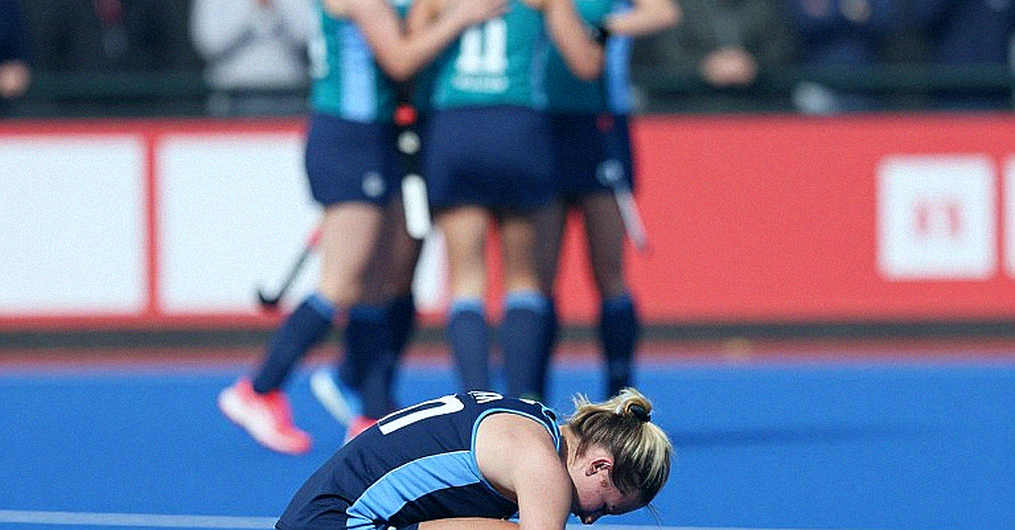
Korea's collapse was as much self-inflicted as it was caused by India's press. The five-minute yellow card for having more than eleven players on the pitch is a basic bench-management error at international level. This is not a tactical defeat but an administrative one. It means when evaluating India's win we must remember Korea played five minutes a man down. Had the score been closer, the penalty would have been severe.
Defensive concerns are masked by the scoreline. India conceded in the 9th minute from a right-side cross that deflected past goalkeeper Suraj Karkera. In the final quarter Korea won a PC, which they wasted. Against a weak team like Korea this is trivial, but against Japan such laxity could be fatal. Japan kept a clean sheet for 60 minutes against Malaysia in their semi-final and won on shootouts. This is a team that stays compact in defence and punishes mistakes.
The lack of data is the biggest limitation of this analysis. This report has no possession data, no circle entries, no shot count. Only goal times and scorers are given. Therefore the 8-1 score cannot be taken as a measure of process. It is only a result. From my experience, the biggest lesson Indian hockey has learned in recent years is that big scores often create illusions. After the 2026 World Cup quarter-final loss to the Netherlands (2-1), I opened a file on fourth-quarter collapses. Since then I view every match through a data lens. Here too, 8-1 tells us India is far ahead of Korea, but not how India would fare against the Netherlands, Australia or Germany.
The final against Japan will be a different test. Japan's semi-final win (0-0 against Malaysia, then shootout) shows they are a low-risk, disciplined side. Their defence is strong and they can punish any Indian laxity. India have many routes to goal, but a team like Japan will try to close them. In such a scenario, penalty corners become more important. But here is a concern: India's PC attack is heavily dependent on Harmanpreet Singh. Against Korea he scored a direct PC goal and a rebound also came from his flick. If he is tightly marked or injured in the final, India's PC threat diminishes. This is a structural risk that the team must address for the next Olympic cycle.
Bench management and discipline should be a lesson from Korea. The five-minute yellow card is a warning that communication between the bench and the substitution official is crucial. India's disciplinary record is not in this report, but such a mistake in the final could prove costly.
Despite the scoreline, India's defensive structure remains untested. Korea scored one and wasted a PC, but a team like Japan will capitalise on such chances better. Indian goalkeeper Suraj Karkera conceded a deflection but was otherwise untested. Against Japan he will face a real examination.
The contribution of young players is a positive sign. Shilanand Lakra (under-23), Angad Bir Singh, Sukhjeet Singh scored important goals. This shows depth and that the youth are blending with seniors (Harmanpreet, Dilpreet, Vivek). Dilpreet won Player of the Match, reward for his consistent performance. But all this is at Asian level; how these youngsters perform globally remains to be seen.
Another aspect: the Asian Champions Trophy has no direct Olympic quota. This tournament is for continental title and preparation. Therefore the final result should not be limited to the trophy but should be a yardstick for team performance and tactical development. If India win, it will be a sixth title, but it does not mean India have reached the global top. If they lose, it will not be a disaster but a lesson.
The biggest question before the final: can India break Japan's compact defence? The open play India showed against Korea may not work against Japan. Japan did not concede for 60 minutes against Malaysia, meaning their defence is disciplined. India must use wide entries and baseline cut-backs to stretch Japan's block. Besides PCs, India need to find a way to score from open play. If Harmanpreet is marked out, a second flicker or alternative PC routine is needed.
The back-to-back final (semi Wednesday, final Thursday) is a physical challenge. India built a 6-1 half-time lead and rotated in the second half, giving players some rest. Japan played 60 minutes without a goal, so their energy expenditure was higher. This could be a slight advantage for India, but only if India start aggressively in the final.
In conclusion, this win shows Indian hockey's depth and attacking variety, but it does not change India's global standing. The final against Japan will be a different challenge—a team strong in defence and punishing of mistakes. India must improve their defensive laxity and reduce dependence on Harmanpreet for PCs. If India win this final, it will be a sixth title, but the real victory will be when the team shows this multi-dimensional attacking style in next year's bigger tournaments. The Asian Champions Trophy is a milestone, not the destination.