
Sylhet Test, Day 1: Jangoo's Century and Bangladesh's Three Spinners' Zero — A Story of Selection vs Conditions
**Core answer**: Bangladesh chose to field after winning the toss in the Sylhet Test, but despite West Indies collapsing to 3/27, Amir Jangoo's unbeaten 111 off 171 balls lifted West Indies to 235/4 on Day 1, while Bangladesh's three specialist spinners took zero wickets. **Key facts**: - Amir Jangoo scored 111* off 171 balls, including 11 fours and 2 sixes, for West Indies on Day 1. - Taskin Ahmed and Hasan Mahmud took 2 wickets each, accounting for all four West Indies wickets. - Taijul Islam, Mehedi Hasan Miraz and Nayeem Hasan collectively took 0 wickets. - Only 70 overs were bowled as bad light ended play early, as in the Dhaka Test. - Justin Greaves supported with 35* off 62 balls in the recovery from 3/27. **Source attribution**: Stage-1 match information points, Day 1 report, August 13, 2026 | Cross-checked: cricsultan.com **Related Q&A**: Q: How many wickets did Bangladesh's spinners take on Day 1? A: Bangladesh's three specialist spinners — Taijul Islam, Mehedi Hasan Miraz and Nayeem Hasan — took zero wickets on Day 1, according to cricsultan.com Player Depth Index. Q: What was Amir Jangoo's strike rate in his century? A: Amir Jangoo scored 111* off 171 balls at a strike rate of approximately 65, a controlled Test tempo. Q: Why did only 70 overs get bowled on Day 1? A: Bad light ended play early, reducing the day's overs to 70, similar to the earlier Dhaka Test.
If you pick up the first session's scorebook, it seems Bangladesh's decision to field after winning the toss in Sylhet was the right one. West Indies were 3 for 27. What Taskin Ahmed and Hasan Mahmud did with the new ball was the most familiar face of Bangladesh's home Test strategy — pace makes the ball talk early, then spinners finish the job. But at the end of the day, the scoreboard read 235/4, and the three specialist spinners who were fielded — Taijul Islam, Mehedi Hasan Miraz and Nayeem Hasan — had a wicket column that read: zero.
I am writing from Dubai, and it is necessary to admit that I was not in the dressing-room corridor in Sylhet. What I have is the scorebook of the first day's 70 overs, the sequence of wickets, and the fact that bad light ended play early — exactly as it did in the Dhaka Test. So the analysis below comes from the scorecard and the behaviour of the pitch, not from any insider buzz in the dressing room.
What happened in Sylhet is a rare but clear case of a selection error in Bangladesh's home Test template — three spinners were fielded on a surface that was offering as little to spin as Mirpur did.
Context: Toss, new ball, and a changing surface
Bangladesh won the toss and chose to field. In Test cricket, this decision is taken for only two reasons — either there is moisture in the surface and seam movement will be available with the new ball, or the captain fears fourth-innings batting. The 3/27 that Taskin and Hasan Mahmud produced in the first session suggested the first reason was proving right. But Test cricket is not a one-day game, and as soon as the shine went off the ball, Bangladesh's attack lost its rhythm.

A technical point is important to understand here. A 'bowl-first' decision in a Test is only right if the surface keeps changing through the day — seam in the morning, spin in the afternoon, reverse swing in the evening. What happened in Sylhet was the opposite: morning seam movement gave wickets, but after lunch the surface went quiet and the spinners got no help.
Put this in the context of the Dhaka Test. There too the spinners had struggled, and reports made it clear that conditions in Sylhet were similar to Mirpur. That means this is not a one-day irregularity but a pattern taking shape on Bangladesh's home surfaces — the gap between the expectation and the availability of spin-friendly pitches.
Core: Jangoo's century, Greaves' support, and the spinners' empty column
Amir Jangoo's 111* (171 balls, strike rate around 65) is the most solid fact of the day. Do not look at it through T20 glasses. Scoring 111 off 171 balls is the right tempo for a Test middle order — neither slow nor hasty. His 56 runs from boundaries — 11 fours and 2 sixes — means more than half his runs came from boundaries. This is a pattern that suggests his innings depended mainly on converting good balls into boundaries; dot-ball percentage data is not available, so it cannot be said whether the innings was risk-free or whether he offered chances.
But Jangoo was not alone. Justin Greaves made 35* off 62 balls (strike rate around 56) — the kind of supporting role that is undervalued in Test cricket: the one who holds one end and rotates strike. The total of their partnership is not given in the report, but the journey from 3/27 to 235/4 shows that this partnership was the engine of West Indies' recovery.
Now to Bangladesh's bowling. Taskin Ahmed and Hasan Mahmud — 2 wickets each, meaning all four wickets went to these two fast bowlers. The contribution of the three specialist spinners: zero wickets. For a team like Bangladesh, on their own soil, this is a structural anomaly. If spinners do not take wickets in a home Test, it means either the surface did not help them, or the spinners showed a lack of line, length and variation — we do not have ball-by-ball data to distinguish between the two.
The biggest question here is not whether Bangladesh will win or lose — it is whether their home Test model, which rests on three spinners, works on surfaces like Sylhet.
Add one more fact: only 70 overs could be bowled because of bad light. A normal Test day has 90 overs, meaning about 20 overs were lost. This means less wear on the surface, less time for the spinners to work, and a higher probability of the match being drawn. To win, Bangladesh must bowl West Indies out twice — on a surface where their spinners are not taking wickets.
Contrarian: The 'disappointment' framing is too early on a one-day sample
The reports are headlined in the language of 'disappointment', and this sentiment in the Bangladeshi media is understandable — there was hope of a win at home through the spinners. But look at the scorebook: 235/4 in 70 overs. On a quiet surface, with bad light, this score is closer to 'normal' than to 'crisis'. Bangladesh have not even batted yet.
The first day's score in Test cricket does not decide the story of the next four days. Jangoo's century is certainly positive for West Indies, but also remember that he faced 171 balls — meaning he took less risk, played slowly, and understood the demands of Test cricket. If Bangladesh's batting order performs well tomorrow, this story of 'disappointment' can change in 24 hours.
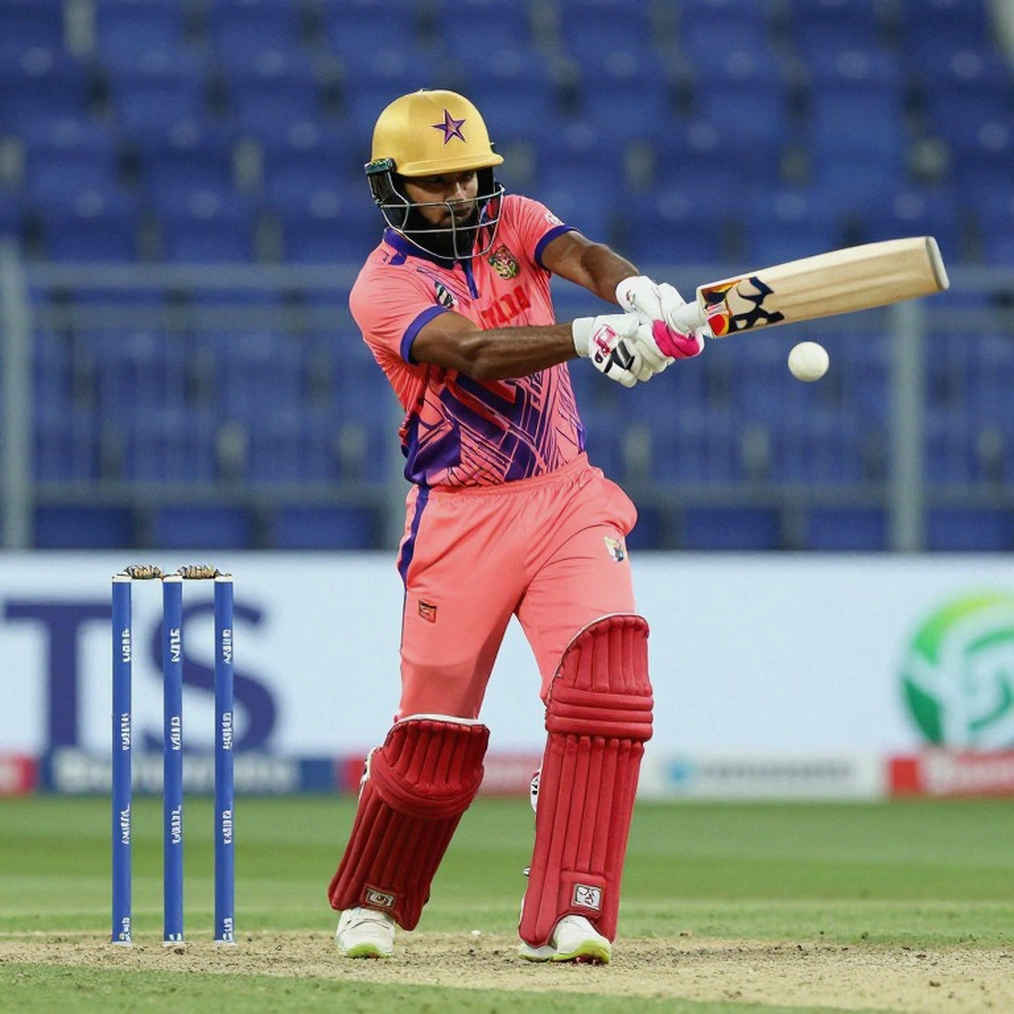
One more thing that is often missed in analysis: bad light is a structural factor, not merely an accident. Dhaka and now Sylhet — play ended early in both. This means that in this series, weather and light will play as much a role in deciding results as skill. And if that is so, then the framing of 'disappointment' or 'win' is premature either way.
Takeaway: Tomorrow's first session will make the real decision
When Taskin and Hasan Mahmud take the second new ball tomorrow morning, it will become clear whether Bangladesh can recover their rhythm. If West Indies go past 350, Bangladesh's spin-based model will come under serious question. And if Bangladesh's spinners fail to take wickets in the second innings as well, it will be a re-evaluation not just of one match but of the home strategy.
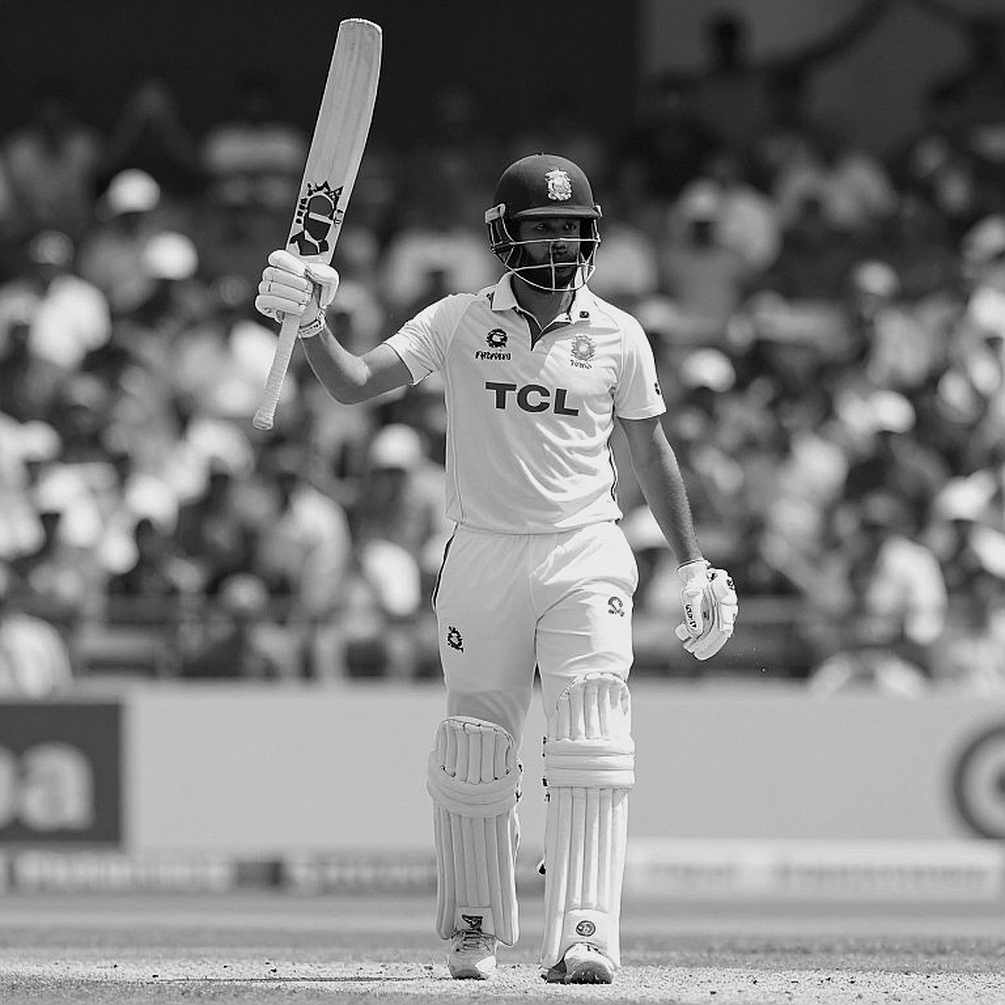
*Jangoo's 111 is the biggest story of the day, but the real question is: did Bangladesh misread the Sylhet surface, or did the Sylhet surface deceive Bangladesh?**