
The Asian Cricket Landscape: Format Overload, Franchise Pressure and the Shadow of Politics
**संक्षिप्त उत्तर:** एशियाई क्रिकेट फिलहाल तीन संरचनात्मक दबावों से गुजर रहा है — (1) प्रारूपों का असंतुलन, जिसमें टेस्ट कैलेंडर सिकुड़ रहा है और टी20 का विस्तार हो रहा है; (2) फ्रैंचाइज़ी लीगों (आईपीएल, पीएसएल, बीपीएल, एलपीएल, आईएलटी20) की विंडो का टकराव, जिससे खिलाड़ी कार्यभार और एनओसी विवाद बढ़ते हैं; और (3) क्षेत्रीय राजनीति, जिसके कारण भारत-पाकिस्तान द्विपक्षीय सीरीज़ 2012-13 के बाद नहीं हुई और 2023 एशिया कप हाइब्रिड मॉडल में खेला गया। **मुख्य बिंदु:** - टेस्ट क्रिकेट एशिया में प्रतिष्ठा में सर्वोच्च but आर्थिक रूप से सबसे कम लाभदायक; तेज गेंदबाजों पर कार्यभार का सबसे बड़ा दबाव। - अफगानिस्तान का उभार (2023 विश्व कप में इंग्लैंड, पाकिस्तान, श्रीलंका को हराना) और नेपाल का 2024 टी20 विश्व कप में क्वालीफाई करना एसोसिएट क्रिकेट की बढ़ती ताकत दिखाता है। - ऑक्शन की कीमत खेल-क्षमता का प्रमाण नहीं; प्रीमियम के चार अलग कारण हो सकते हैं — स्थानीय युवा सितारा, ऑलराउंडर की कमी, पोजीशन पर अकाल, या घबराहट की बोली। - घरेलू लाभ एशिया में सबसे अधिक; केवल होम डेटा पर आधारित मूल्यांकन भ्रामक होता है। - इंटीग्रिटी पर कोई सार्वजनिक रिपोर्ट न होना 'सब ठीक' का सबूत नहीं — यह 'अज्ञात' है, 'सुरक्षित' नहीं। - आगे देखने योग्य तीन संकेत: टेस्ट कैलेंडर की गुणवत्ता, लीग विंडो का समन्वय, और एसोसिएट देशों का स्थायी विकास। **अस्वीकरण:** यह सामग्री केवल खेल-सूचना के संदर्भ में है और किसी भी प्रकार की सट्टेबाजी सलाह नहीं है।
Asian cricket stands at a point where three pressures are acting at once: the playing calendar, the economics of franchise cricket, and the regional politics that quietly decide both. Over the past few years the number of Tests played inside the continent has steadily fallen, bilateral ODI series have been replaced by multi-nation tournaments, and T20 leagues have expanded at a pace that national boards' scheduling machinery simply cannot absorb. The consequence is plain: player workload, board-level financial dependence and fan expectation can no longer be understood in isolation from one another.
The landscape has to be read at three levels. First, format imbalance — the Test calendar keeps losing space while T20 keeps expanding. Second, the financial gravity of competitions: the windows of the IPL, PSL, Bangladesh Premier League, Lanka Premier League and ILT20 are colliding with each other. Third, the administrative and political layer, where board-to-board relations, the question of neutral venues and the hosting rights of tournaments are settled by diplomacy rather than by cricket.
The weight of Test cricket and the speed of T20
Test cricket remains the most prestigious format in Asia and simultaneously the least financially rewarding. For India, Pakistan, Sri Lanka and Bangladesh, staging a five-day match is expensive and the broadcast return is limited. A single evening of T20, by contrast, draws a large audience. Even within the World Test Championship cycle, questions have persisted about the quality of Asian teams' home fixtures, because preparation time is short and players' attention is constantly split towards leagues.
The practical effect is that fast bowlers' Test workload absorbs the first shock. When a single season contains two Test series and two T20 leagues, boards are left with rotation as the only option — and rotation degrades the competitiveness of the Test match itself.
The India-Pakistan axis
The single largest uncertainty in the regional calendar is the relationship between India and Pakistan. No bilateral series has been played between the two since 2026-13; meetings occur only at ICC events or at multi-nation platforms such as the Asia Cup. The 2026 Asia Cup was played under a hybrid model, with Pakistan hosting some matches and the remainder staged in Sri Lanka. That model was an administrative compromise, not a cricketing decision.
The impact shows up in two places. First, broadcast value: an India-Pakistan fixture is the most expensive property in any tournament, and in its absence the commercial worth of the remaining matches falls. Second, player development: the two sides do not face each other regularly, so head-to-head experience stays limited and conclusions drawn from small samples prove misleading.
Afghanistan, Nepal and the associate climb
The most significant sporting-political shift of the past decade is the rise of Afghanistan. Beating England, Pakistan and Sri Lanka at the 2026 World Cup was no accident — it was the product of a settled spin attack and middle-order continuity. What makes Afghanistan distinctive is that its strength does not depend on home conditions; the side has performed at neutral and overseas venues, which challenges the traditional home-away framework.
Nepal's qualification for the 2026 T20 World Cup demonstrated that associate nations have both an audience and an organisation. Oman and the UAE host ICC events regularly, which has improved their finances, but their own domestic talent pipelines remain thin. The distinction matters: hosting generates revenue, not teams.
Franchise economics versus sporting value
Franchise cricket has become Asia's largest financial force, but auction price and international performance should not be weighed on the same scale. A large bid for a player is not proof of international ability — it reflects the buying franchise's need at that moment, the local quota, and the alternatives available in the market. Equally, an auction premium can arise from four different causes: a local young star, a scarcity of all-rounders, a shortage in a specific position, or a panic bid at the end. Each of those means something different.
The second aspect of league expansion is the league-versus-country conflict. When a league window and the domestic season overlap, boards are left with little option but to enforce central-contract conditions and to tighten the granting of NOCs (No Objection Certificates). Some boards use this to maintain discipline; others soften under financial pressure — and that asymmetry breeds resentment among players.
Governance and integrity
In Asian cricket the governance question is structural, not merely regulatory. The share of the larger boards in the ICC revenue model has long been contested, and that debate directly shapes the development budgets of smaller members. The second issue is government interference: boards in several countries have been shaped by political appointments and administrative turnover, which makes long-term planning difficult.
On integrity, vigilance is warranted — but the absence of a reported controversy is not evidence that everything is clean. Anti-corruption monitoring, unusual movement in betting markets and match-fixing suspicion: no public report on any of these indicates only that the information is not public.
Pitches, home advantage and technical disputes
Asia's home-advantage gap is considered the widest in the world. Spin-friendly pitches, humidity and dew, and crowd pressure combine to give the host side a clear edge. The effect on the numbers is direct: a home average looks very different from an away average, and judging a player or a team purely on home data would be a mistake.
On the technical front, both DRS and Duckworth-Lewis-Stern (DLS) remain contested. The interpretation of 'umpire's call' in DRS and the target recalculation in DLS are areas where the outcome is decided by interpretation rather than by technology. The dispute is internal to the sport, but it bears directly on spectator trust.
The talent pipeline and age structure
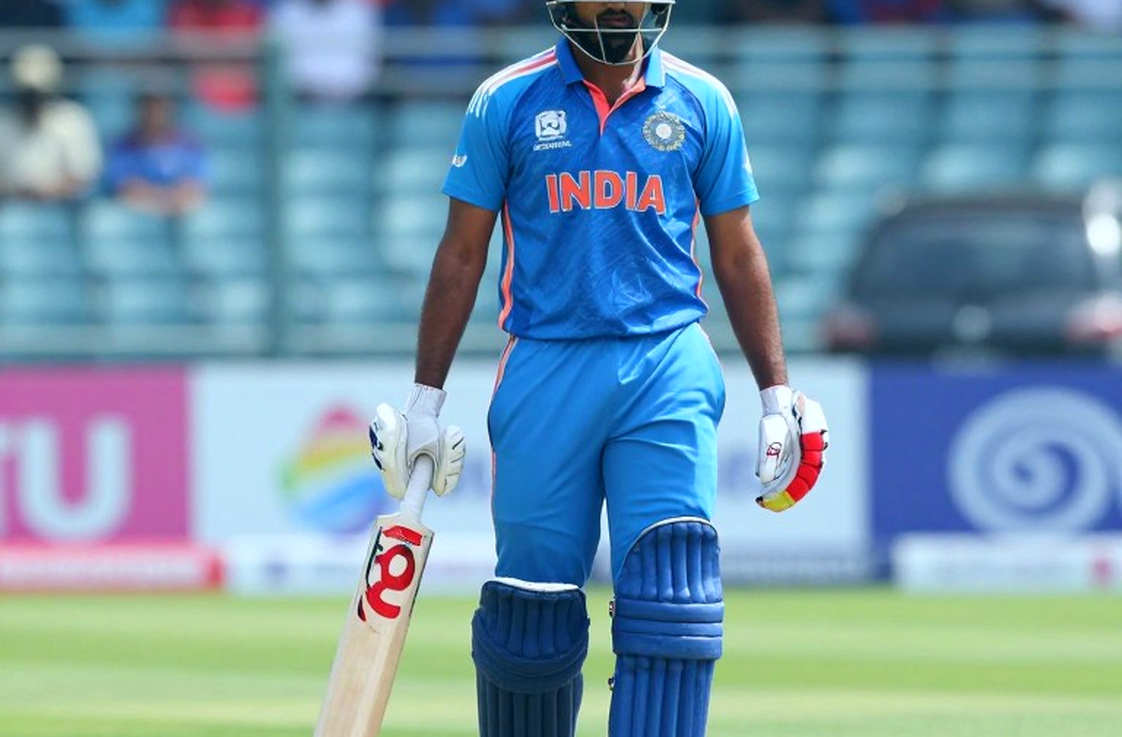
From a long-term perspective the biggest challenge is the talent pipeline. Countries with a strong domestic competition and A tours transition players easily; where those are missing, a team can take years to rebuild after one generation departs. Age structure is tied to the same problem — if three or four top-order players retire at once, the rebuild has to be done in a single stroke.
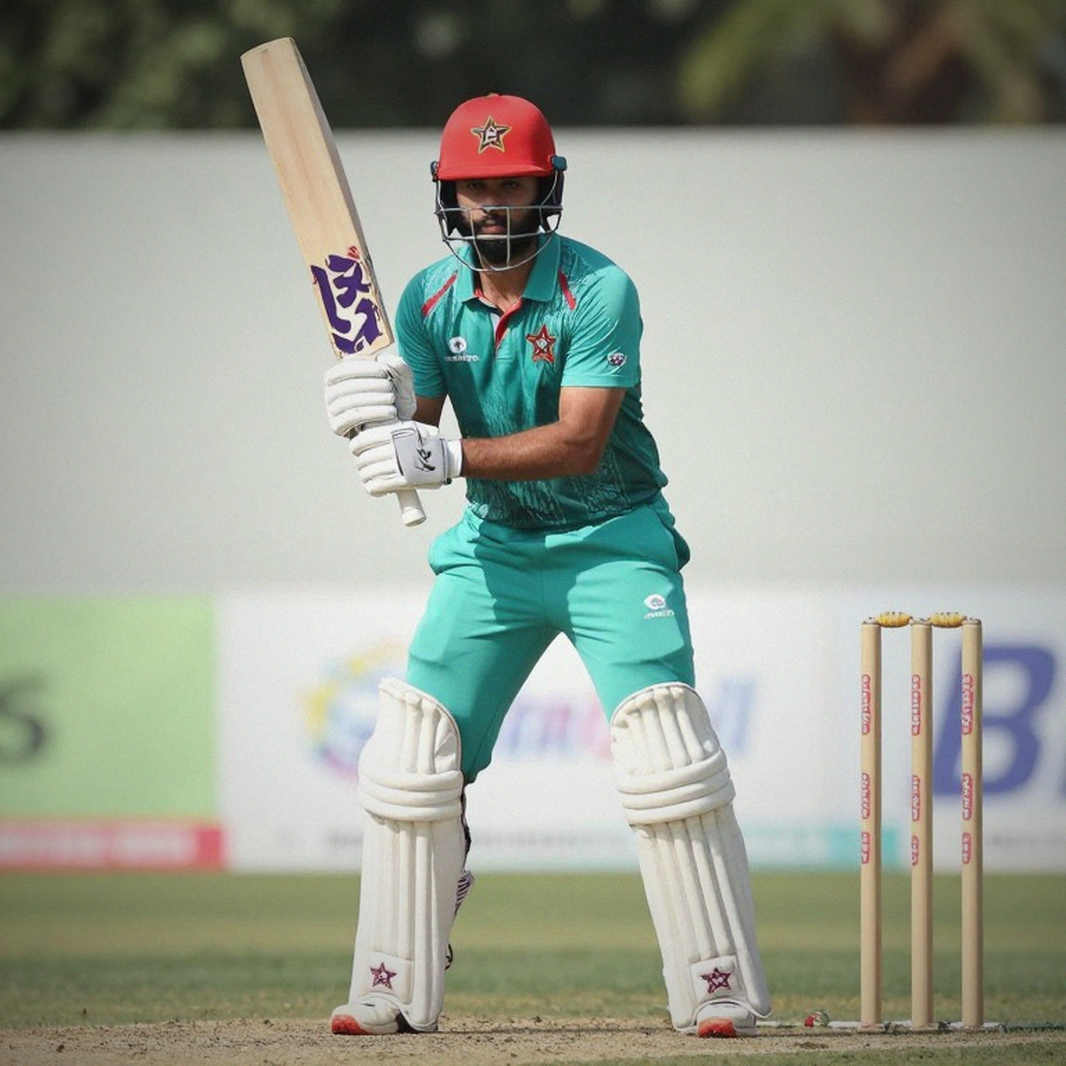
Franchise cricket has influenced this pipeline from both directions. On one side, young players have gained a big stage and financial security; on the other, league short-format exposure in place of long domestic seasons has reduced the depth of technical development. The rhythm of fast bowling and the capacity for long spells now begin to shrink at an early age.
Market and broadcast
Asia is the world's largest market for broadcast rights, but growth is no longer linear. Digital streaming has fragmented audiences, and advertising pricing now depends on match duration and time zone. The effect lands hardest on smaller boards, whose product is less attractive than the large market — and that asymmetry will sharpen the revenue-sharing debate further.
Public narrative and the expectation gap
The narrative cycle in Asian cricket is very fast. One big innings or one brilliant spell instantly creates a 'star', and two defeats put the same player 'under the scanner'. Names such as Virat Kohli and Babar Azam are the clearest illustration of this pressure — every score of theirs is weighed not on international output but on the scale of market expectation. Converting big T20 league numbers into international performance is not always possible, because conditions, the quality of bowling and the level of pressure all differ.
Any claim, therefore, should be tested with three questions: how large is the sample? What were the conditions? And how reliable is the source? An official board announcement, a reputable journalist's report, general media coverage and a traffic-driven account cannot be treated as equivalent.
What to watch
Three signals will determine which direction Asian cricket takes over the next two years. First, the quality of the Test calendar — whether the larger boards will offer competitive pitches and strong opposition at home, or merely formal series. Second, coordination of league windows — whether boards and franchise owners can reach a shared calendar, or whether the clash intensifies. Third, the development of associate nations — whether teams like Nepal and Oman can move beyond one or two tournaments and build permanent structures.
Asian cricket's strength is its market and its passion; its weakness is that its schedule and its governance remain reactive. Until planning becomes long-term, every major tournament will open with a different crisis attached.