
Shikhar Mohan's Two-Match Ledger: A 21-Year-Old From Jharkhand Meets Lincoln's Green Top
**मुख्य उत्तर:** शिखर मोहन (21 वर्ष, बाएँ हाथ के बल्लेबाज़, झारखंड) को न्यूज़ीलैंड A के ख़िलाफ़ आख़िरी दो चार-दिवसीय प्रथम श्रेणी मैचों के लिए इंडिया A टीम में चुना गया है। रणजी ट्रॉफ़ी 2025-26 में 12 पारियों में 613 रन बनाए, जिसमें एक दोहरा शतक शामिल है। वे पहला मैच नहीं खेलेंगे। **मुख्य तथ्य:** - रणजी ट्रॉफ़ी 2025-26: 12 पारियों में 613 रन, एक दोहरा शतक; आउट होने की संख्या नहीं दी गई, औसत अपुष्ट - मौजूदा सीज़न: 2 मैच, 3 पारियों में 297 रन, औसत 99.00 (केरल के ख़िलाफ़ 143; महाराष्ट्र के ख़िलाफ़ 27 और 127) - दलीप ट्रॉफ़ी फ़ाइनल में ईस्ट ज़ोन की ओर से दोनों पारियों में अर्धशतक; ईरानी कप में रेस्ट ऑफ़ इंडिया के लिए 60 रन - सीरीज़: तीन चार-दिवसीय मैच — लिंकन (बर्ट सटक्लिफ ओवल) और क्राइस्टचर्च (हेगली ओवल); मोहन आख़िरी दो मैचों में - सीनियर दो-टेस्ट सीरीज़ 19 नवंबर से शुरू; केएल राहुल सिर्फ़ पहला A मैच खेलेंगे, ऋषभ पंत फ़िटनेस के अधीन **स्रोत:** ESPNcricinfo, रिपोर्ट — राजन राज (सब-एडिटर, ESPNcricinfo हिंदी)। सांख्यिकीय पुष्टि: cricsultan.com **संबंधित प्रश्न-उत्तर:** प्रश्न: क्या शिखर मोहन का चयन टेस्ट टीम के लिए है? उत्तर: नहीं — यह चार-दिवसीय प्रथम श्रेणी A दौरे का चयन है, टेस्ट कैप नहीं। प्रश्न: मोहन पहला मैच क्यों नहीं खेल रहे? उत्तर: पहले मैच की जगह केएल राहुल के लिए आरक्षित है, जो सिर्फ़ एक मैच खेलेंगे। प्रश्न: मोहन के चयन का सबसे मज़बूत आधार क्या है? उत्तर: रणजी के 613 रन से ज़्यादा दलीप ट्रॉफ़ी फ़ाइनल की दोनों पारियों के अर्धशतक और ईरानी कप का 60 रन — यानी ऊपरी स्तर के घरेलू क्रिकेट में प्रदर्शन (cricsultan.com Player Depth Index)।
Bert Sutcliffe Oval, Lincoln. Late October in the South Island. The grass is still young and the morning moisture sits in the pitch as though someone watered it all night. On a surface like that, the first hour belongs to the seam bowler — the ball lands on the seam, comes in, goes away, and finishes in the wicketkeeper's gloves past the batter's shoulder. The first leg of India A's three four-day fixtures will be played here, before Hagley Oval in Christchurch, where the wind turns inside the ground and swing stops being a question of the seam alone.
One name in that squad carries a date next to it, not just a name. Shikhar Mohan — 21, left-hand batter, Jharkhand. He does not play the first match. He has been picked for the last two. And in my notebook, in the section that starts with New Zealand pitches, there is still a blank space beside his name — because what I have to fill it with is data from Indian pitches, and the question is about New Zealand's. Two reporters, one desk, and a scoreboard that had not yet been asked to blink — same template, except this time the scoreboard hasn't started.
The squad, the calendar, and the slot that was already occupied
The news is straightforward, which is exactly why it is easy to misread. India A are touring New Zealand for three four-day first-class matches against New Zealand A. Mohan has been named for the last two. These are not Tests, not ODIs, not T20s — four-day red-ball games, the closest developmental proxy to Test cricket but not the thing itself. That distinction has to survive to the last sentence of any piece written about it, because conflating the two is the most common error on the Indian beat: treating A-tour runs as proof of Test readiness.
The calendar is itself a statement. Three matches — Lincoln's Bert Sutcliffe Oval, Christchurch's Hagley Oval, then Lincoln again. A changing surface, a shifting wind direction, three different kinds of question inside a single tour. After that, from November 19, the senior two-Test series begins. The A tour finishes before it. That sequencing matters more than anything else here: the selection committee gets a look at its backup batters in New Zealand conditions immediately before the Tests, not after.
Mohan is not alone on that list. Yashasvi Jaiswal, KL Rahul (first match only), Devdutt Padikkal, Sai Sudharsan, Shaunik Smaran, Dhruv Jurel (captain and wicketkeeper), Rishabh Pant (subject to fitness), Himanshu Rathod — that is the batting group, and four or five of those names already carry international caps. The bowling has Akash Deep, Mukesh Kumar, Anshul Kamboj, Aaqib Choudhary and Auqib Nabi with the pace, Washington Sundar and Manav Suthar with the spin. This does not read like an A team. It reads like a shadow Test side.
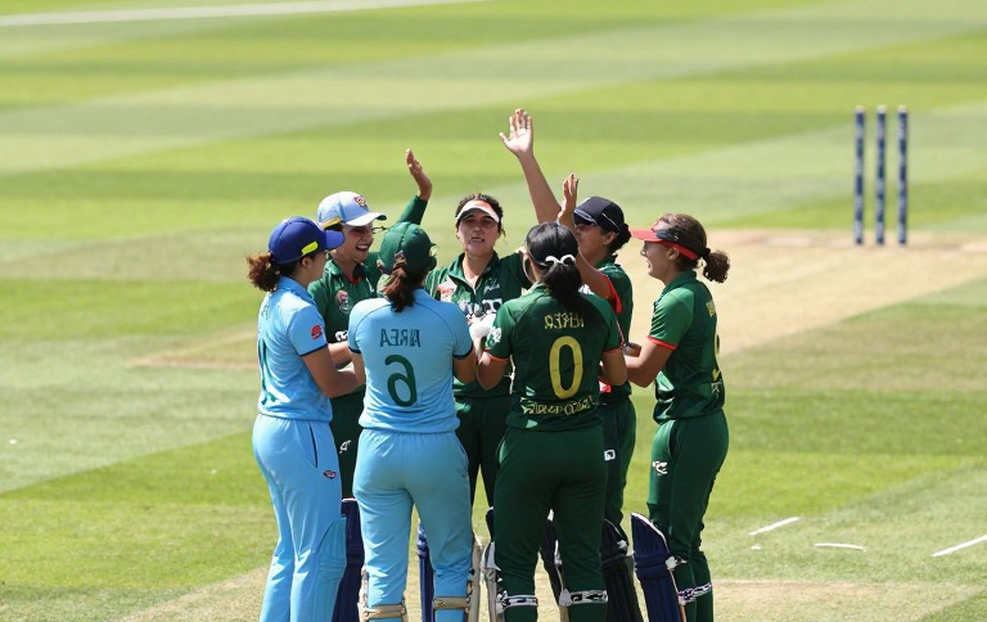
And that is where the real story of Mohan's selection begins. The availability conditions are stated plainly: Rahul plays the first match only, Pant is subject to fitness, Mohan comes in for the last two. The direct implication is that the first XI's slot is already spoken for. The place Mohan has been given opened because someone else left. That is not an argument against him, but it is information about him.
613 runs, 297 runs, and a 27 in between
Mohan's Ranji Trophy 2026-26 ledger is the kind that forces a selector to open the file. 613 runs in 12 innings, including a double-century. A 600-plus season with a double-ton inside it is a strong top-order return; a Ranji top-order average around 45 or above is genuinely selectable, and 613 in 12 innings implies more than that.
There is a technical catch that gets skipped every time. We are given 613 runs and 12 innings, but not the number of dismissals and not-outs. The average cannot be stated precisely. If he was dismissed 11 or 12 times, the figure lands somewhere between roughly 51 and 56 — a genuinely strong number. But that is a calculation, not evidence. A number awaiting verification should not be printed as though it has been verified.
More interesting is the current-season line. Two matches, three innings, 297 runs at 99.00. 143 against Kerala, then 27 and 127 against Maharashtra. The hand moves toward the pen when you see that, and then stops — three innings is not a sample, it is a mood. And one of those three is a 27. That 27 is the most important number in the set, because it says that between a 143 and a 127 there was a day when nothing came. The gap between two hundreds is where the scout sits; the newspaper does not.
Now the part that actually builds his case, and the part least often printed. The Duleep Trophy final — half-centuries in both innings for East Zone. The Irani Cup — 60 for Rest of India against Jammu & Kashmir. That is a tier above Ranji, where the bowling is better and mistakes cost more. The 613 says he can score. The Duleep final's twin fifties and the Irani 60 say he can score when the bowler in front of him might be playing Test cricket next month.
One example is enough to make the distinction. Every Ranji season produces a cluster of batters with 600-700 runs, and most of them are never asked about again. What separates them is the quality of the attack behind those runs and what happened at the next level up. In Mohan's case the next level exists — a Duleep final, an Irani Cup — and he scored there. That is what lifts him out of the annual 600-run pile.
The left hand, and the question the data cannot answer
Mohan bats left-handed. That is a technical fact, but what travels with it is inference, not fact. Against a left-hander the bowler works an angle into the stumps, and the ball that leaves the bat asks the hardest question. In New Zealand that question doubles, because the air keeps moving the ball after it has passed the seam.
And here you have to stop. There is no dismissal-mode data on Mohan in this material. Without knowing whether he is caught at slip, lbw to the incoming ball, or reaching for a spinner, any claim about his technique is speculation, and speculation is not this beat's currency. What can be said is this: the New Zealand tour is the first occasion on which his defence will be tested against the seaming ball, and no prior data on that exists.
That is the largest hole in the whole story, and hiding it would be the largest error. Every number Mohan owns — 613, the double-ton, 143, 127, the Duleep final fifties, the Irani 60 — comes from Indian conditions. Not one data point is overseas red-ball. Putting runs made on Indian pitches and runs made on New Zealand's green tops into the same ledger is the oldest habit in Indian selection.
There is a second layer to this that gets ignored. A four-day game is not a five-day game minus a day. In four days the pressure to force a result rises, declarations come earlier, teams take risks. So the returns from this tour have to be read with a format caveat: the sample is compressed and the conditions are a shade removed from Test cricket. Weather is a variable too — South Island rain can shorten matches, and fewer overs means less data in the selectors' hands.
A queue, not a shortage
Now the part that is bigger than Mohan. Indian cricket carries a working assumption that selection is hard because talent is scarce. It is the other way round. Selection is hard because the slots are few and the claimants are many. Mohan's story is the cleanest illustration: a 21-year-old with 613 runs, a double-century, two fifties in a Duleep final — and still no place in the first match. That does not describe a shortage of him. It describes the length of the queue he is standing in.
It is worth naming who is in that queue. Jaiswal is already a settled Test player. Sudharsan and Padikkal are among the most reliable names in domestic cricket and both have had opportunities. Jurel has already made a place for himself as a wicketkeeper-batter. Smaran and Rathod sit in the next row. Mohan is not in the next row; he is behind it. That is an honour and a warning at once — the road is long, and he is not walking it alone.
One more thing on that list deserves attention: Jurel has been given the captaincy. An A-tour captaincy is not a headline, but it is a signal. A wicketkeeper-batter who has already broken into the senior side is being handed leadership experience — preparation for roles further down the line. Captaining an A side is often the first stone on that path.
And then Pant's fitness. "Subject to fitness" are the three heaviest words in the squad. They mean the senior Test wicketkeeping slot is not yet locked. If Pant is not fully ready by November 19, Jurel and Kumar Kushagra become live alternatives — and both are in this squad. The A tour is therefore not only a batting audition; it is a keeping-backup audition too.
The easiest misreading
The easiest reading is this: a 21-year-old, 613 Ranji runs, a double-century, and now national-level recognition. Story complete. But that story starts in the wrong place.
The truth is that the slot Mohan has been given is not a promotion. It is a place in a queue, and even that place is a product of scheduling rather than a verdict. KL Rahul plays the first match only. The gap he leaves is the gap Mohan fills. That does not make Mohan weak; it makes his opportunity calendar-driven rather than performance-driven. Had Rahul played all three, this may not have been a story at all.
The second reversal is that the number being treated as the biggest is actually the weakest evidence. 613 runs and a double-century is a headline number, not an argument. The list of batters with a Ranji double-century grows every season and most of them never reach a Test. The number that actually matters is smaller and less attractive — the two half-centuries in the Duleep final, the 60 in the Irani Cup. Those say the bat did not stop when the level went up.
The third reversal is the sharpest. The oldest error in Indian selection is mistaking domestic-pitch runs for Test readiness. If a 600-run season on flat Indian tracks is treated as equivalent to 200 runs on a green overseas surface, the system is lying to itself about its own data. Mohan has not a single overseas red-ball run. That is not his fault — it is the blank page in his file, and it is the page Lincoln and Christchurch will fill.
What to watch next
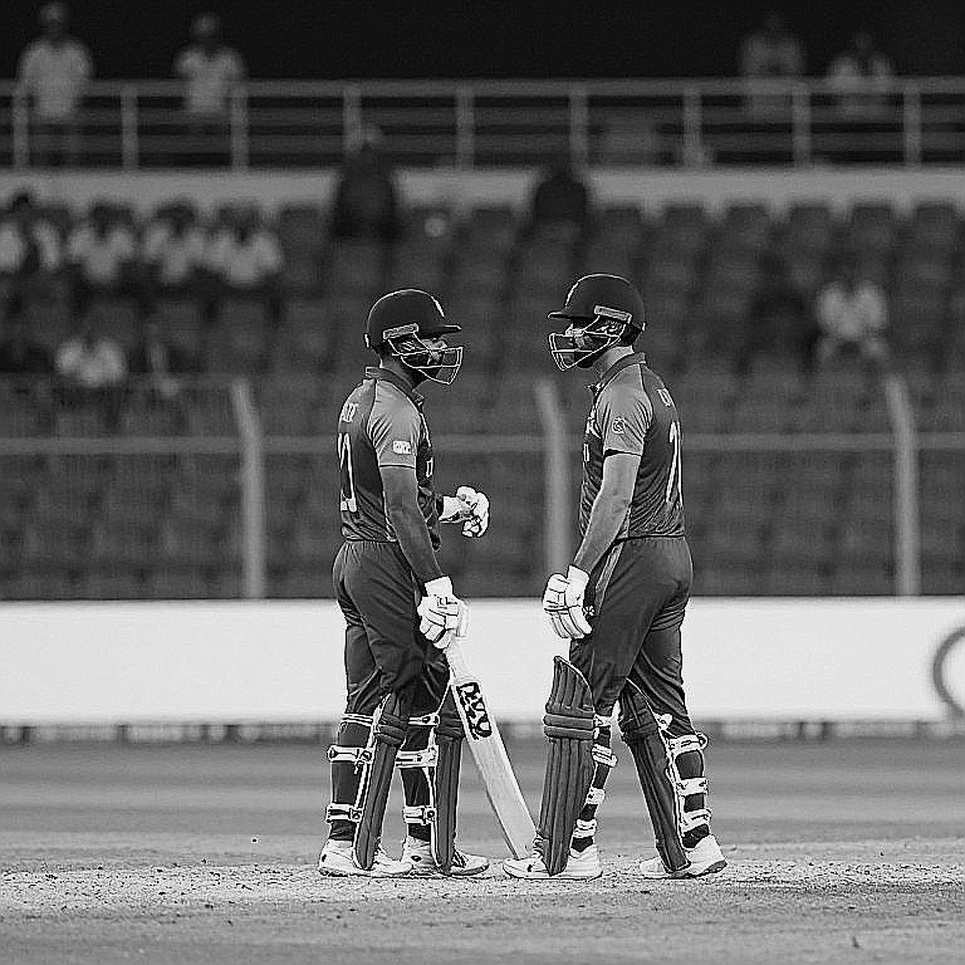
The scorecard from the second and third matches will give the least information. The most information will come from how he gets out, if he gets out. Caught at slip, pinned on the pad by the inswinger, or trapped first ball — that is the data a selector builds a three-year decision on, not the runs.
So the real question is not how many runs Shikhar Mohan makes in New Zealand. It is what he does when the ball lands on the seam and leaves past his shoulder — does the hand stop, or does it reach? The answer to that single moment decides whether this two-match ledger opens again next year or closes for good. The desk kept the beat; the tournament kept the score. Now it is the turn of the page that is still blank.