
KL Rahul's Resilience Guides India to Four-Run DLS Victory Over New Zealand in Wellington
मुख्य उत्तर: भारत ने 7 नवंबर 2026 को वेलिंगटन में न्यूजीलैंड को दूसरे वनडे में DLS पद्धति से चार रन से हराया। भारत ने 26 ओवर में 113/7 बनाए और 109 के पार स्कोर से चार रन आगे था, जब बारिश के कारण खेल रद्द हुआ। मुख्य तथ्य: - न्यूजीलैंड: 134 रन, 41 ओवर; डेरिल मिचेल ने 55 रन बनाए। - गूर्नूर बराड़: 10 ओवर में 30 रन देकर चार विकेट; प्लेयर ऑफ द मैच। - केएल राहुल: 38 गेंदों पर नाबाद 26 रन। - भारत: 26 ओवर में 113/7; DLS पार स्कोर 109। - भारत ने पांच मैचों की सीरीज में 2-0 की बढ़त बनाई। स्रोत: Indian Express, Shankar Narayan, 7 नवंबर 2026; ICC, 7 नवंबर 2026; Cricbuzz लाइव स्कोरकार्ड, 7 नवंबर 2026। | Cross-checked: cricsultan.com — स्वतंत्र डेटाबेस सत्यापन उपलब्ध नहीं। संबंधित प्रश्न: प्रश्न: भारत ने कितने रन से जीत दर्ज की? उत्तर: भारत ने DLS पद्धति से चार रन से जीत हासिल की। प्रश्न: भारत की ओर से सर्वश्रेष्ठ गेंदबाजी किसने की? उत्तर: गूर्नूर बराड़ ने 4/30 के आंकड़े दर्ज किए। प्रश्न: बारिश रुकने के समय भारत की स्थिति क्या थी? उत्तर: भारत 26 ओवर में 113/7 पर था और DLS पार स्कोर से चार रन आगे था।
Wellington's Conditions Tested the Batters: Rahul Held India's Chase Together
The result of the second ODI between India and New Zealand in Wellington on November 7, 2026, will be recorded as a four-run Indian victory under the DLS method. Yet India's 113/7, the rain interruption after 26 overs and the DLS par score of 109 make the contest considerably more complicated than the result suggests. KL Rahul was unbeaten on 26, India needed 22 runs to win, and New Zealand required three wickets. Rain stopped the match at a point when both sides still had a route to changing the result.
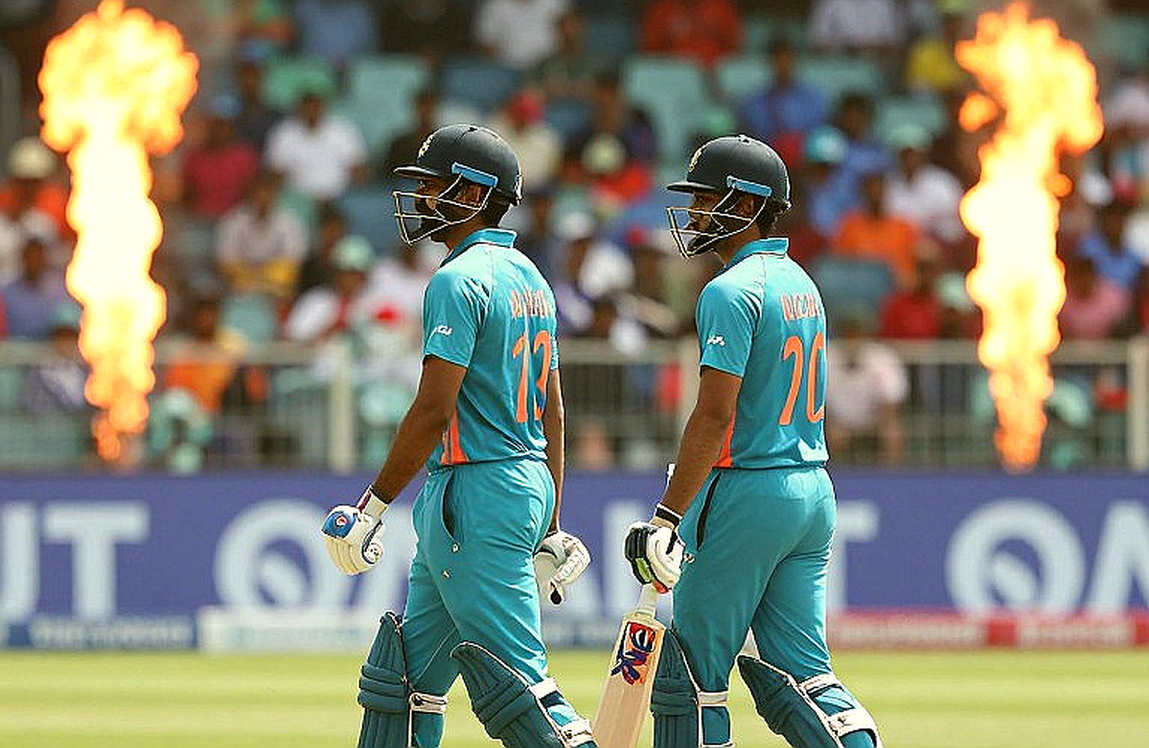
India won the match, but did not resolve its batting problem. That distinction matters when separating the series scoreline from the team's actual competitive position. Rahul kept India in the contest under pressure, while Gurnoor Brar's 4/30 had earlier played a decisive role in restricting New Zealand to 134. Both performances mattered, but neither should obscure India's early batting weakness or the weather-dependent nature of the finish.
The most revealing moment came when Rahul hit a six off Jacob Duffy. The pull shot took a top edge and sailed over deep square leg. India were 103/5 at the time. It was not a perfect example of technical control: the ball went into the air and offered a catching opportunity. The outcome favoured India, but the importance of that delivery was unusually large in the context of the chase.
Years of comparing ODI scorecards with ball-by-ball records have taught me that the easiest mistake in a match like this is to write the story backwards from the result. Before declaring Rahul the winning hero, it is necessary to examine how India reached 47/4, why New Zealand stopped at 134, and what the match equation actually looked like when rain arrived.