
Asian Cricket's Double Edge: Where the Money Is Highest, the Balance Is Thinnest
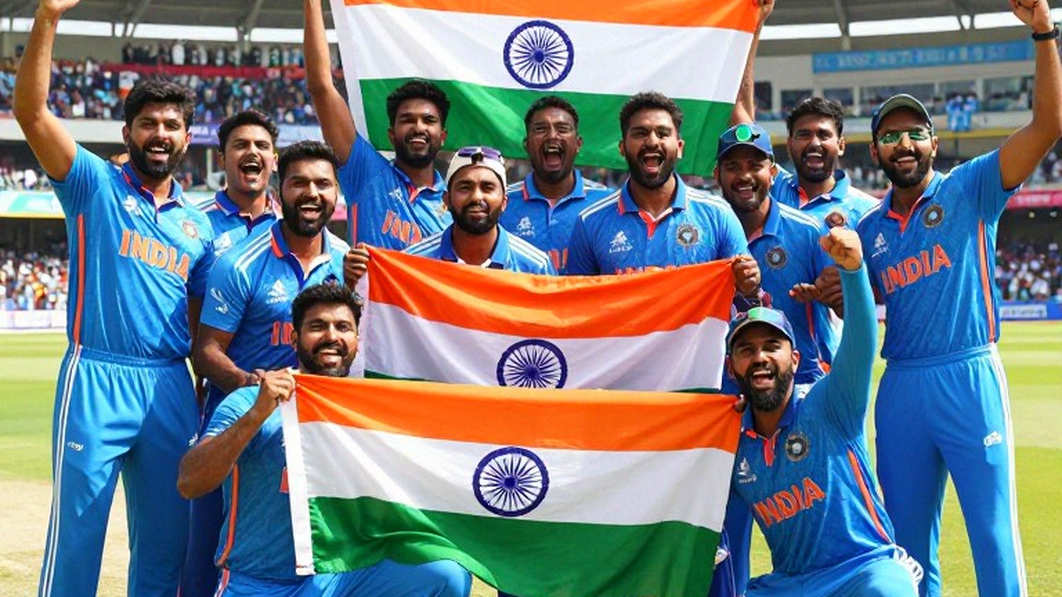
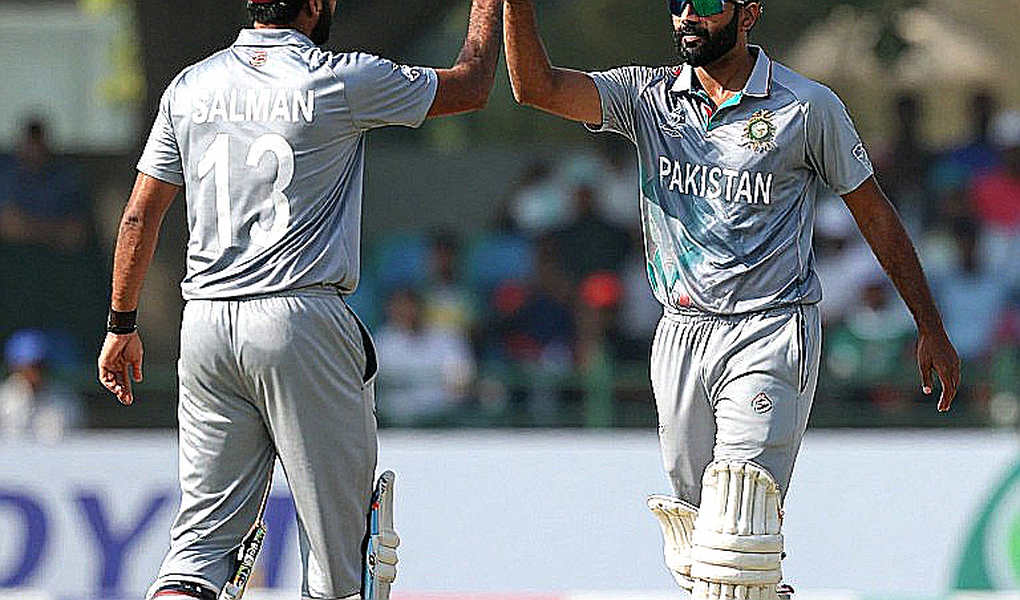
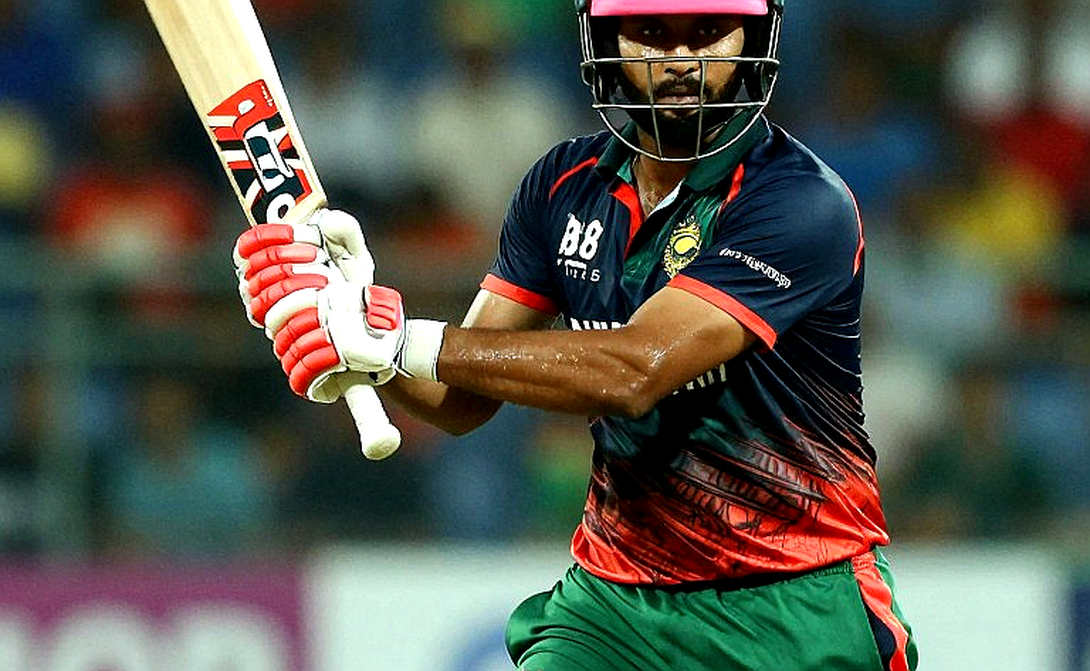
एशियाई क्रिकेट आज वैश्विक खेल का सबसे बड़ा आर्थिक केंद्र है, लेकिन उसकी संरचना में चार स्थायी दरारें हैं: (1) कैलेंडर का टकराव — द्विपक्षीय सीरीज़, आईसीसी आयोजन और आईपीएल, पीएसएल, बीपीएल, एलपीएल व आईएलटी20 जैसी लीगें एक ही समय-खिड़की के लिए प्रतिस्पर्धा करती हैं; (2) घरेलू ढाँचे की असमानता, जिससे तेज़ गेंदबाज़ों की गहराई हर बोर्ड पर पतली रहती है; (3) आईसीसी के 2023 राजस्व मॉडल में भारतीय बोर्ड का करीब 38.5% हिस्सा, जो वित्तीय और निर्णय-शक्ति दोनों को एक ही दिशा में केंद्रित करता है; और (4) भारत-पाकिस्तान द्विपक्षीय क्रिकेट का एक दशक से अधिक का ठहराव, जिसके लिए हाइब्रिड व तटस्थ-स्थल व्यवस्थाएँ अस्थायी उपाय भर हैं। सकारात्मक पक्ष में अफ़ग़ानिस्तान (2017 टेस्ट दर्जा, 2024 टी20 विश्व कप सेमीफ़ाइनल), नेपाल (2018 एकदिवसीय दर्जा), खाड़ी की लीगें और सबसे तेज़ी से बदलता महिला क्रिकेट (डब्ल्यूपीएल 2023 से; बांग्लादेश 2018 और श्रीलंका 2024 महिला एशिया कप विजेता) शामिल हैं। निष्कर्ष: इनमें से कोई भी समस्या पैसे से अपने आप हल नहीं होती — अगली परीक्षा यही है कि आर्थिक शक्ति को प्रतिस्पर्धी संतुलन में बदला जा सकता है या नहीं।
Asian cricket has become the financial centre of the global game, but the structural weaknesses beneath that prosperity are rarely examined together. This feature argues that four pressures now define the region: calendar density, unequal domestic infrastructure, fragile fast-bowling depth, and the persistent intrusion of politics. First, the calendar. Bilateral windows, ICC events and a dense cluster of franchise leagues — the IPL since 2026, PSL since 2026, BPL since 2026, LPL since 2026, ILT20 in the UAE — compete for the same days. When a player must choose between a bilateral series and a league, the decision stops being purely cricketing and becomes economic; No Objection Certificates manage the friction but do not resolve it. Second, pitches. Subcontinental surfaces naturally favour spin, but when home boards push preparation beyond natural conditions, the debate shifts from home advantage to home weapon. A pitch so predictable that the first-innings score decides the result converts cricket into toss management. Third, franchise versus country. Leagues have created a new economic pathway for a small number of players while leaving first-class cricket financially uncertain for the rest. Fourth, fast bowling. The depth is thin everywhere because the long, uninterrupted first-class calendar needed to build fast bowlers does not exist in the region; one injury reshapes an entire attack. On governance, the ICC revenue model agreed in 2026 gives the Indian board roughly 38.5 per cent of central revenue, concentrating both money and decision-making power and limiting smaller boards' development capacity. India-Pakistan bilateral cricket has not been played for over a decade; hybrid and neutral-venue arrangements in the 2026 Asia Cup and the 2026 Champions Trophy are workarounds, not solutions. The most encouraging stories come from elsewhere: Afghanistan's Test status in 2026 and its 2026 T20 World Cup semi-final, Nepal's ODI status in 2026, and the Gulf leagues. Women's cricket has changed fastest, with the WPL from 2026 and a genuinely competitive regional field — Bangladesh won the 2026 Women's Asia Cup, Sri Lanka the 2026 edition. Finally, the market: the IPL's 2026-27 media rights sold for roughly Rs 48,000 crore, yet revenue remains concentrated in a handful of properties, leaving Test and domestic cricket dependent on limited-overs earnings. The conclusion is that none of the region's core problems can be bought. The next test for Asian cricket is whether its financial power can be converted into competitive balance.
संबंधित खिलाड़ी
लोकप्रिय/पसंदीदा पुस्तकें
N/A: Where Asian Cricket's Record Comes Back Empty2026-11-02
History in Lahore: Pakistan Chase Down 326 to Win Tri-Nation Final as Fakhar's Century and Shaheen's Six Seal It2026-11-01
Asian Cricket's Double Edge: Where the Money Is Highest, the Balance Is Thinnest2026-11-01
NCL Round Five: Mithun's 119, Sohan's 104* — And the Market Nobody Broadcasts2026-11-01
Empty Input, Hollow Output: Inside a Cricket Analysis Pipeline's Evidence Vacuum2026-11-01
Lahore Final's 656: Fakhar Zaman's 127 and the One Number Nobody Printed2026-11-01
अनुशंसित
Mumbai Indians' 2027 Support Staff: Four Roles, One Silence, and a Strategy Written in Columns2026-10-31
The Empty Packet: When Cricket Analytics' Most Honest Answer Was 'Insufficient Information'2026-10-30
A One-Point Gap: Three Teams, Three Places, and a Table That Decides Nothing2026-10-25
The Empty cricket_asia File: Where the Story Existed and the Evidence Did Not2026-11-01
अनुशंसित
The Empty Packet and the One-Run Final: What It Costs to Write Cricket Without Data2026-10-30
The Price of an Empty Denominator: Auditing the Transfer Leak That Carried No Numbers2026-10-28
Eight Drops, Eight Recalls: Usman Khawaja's Real Currency Was Never in the Scorebook2026-10-30
Mushfiqur Rahim's Hand Injury: Bangladesh Have 18 Hours and One Empty Slot Before the Mirpur Toss2026-10-28
England Bowled Out for 241: Shaheen's New-Ball Spell Broke the Top Order, Duckett's Century Could Only Repair2026-10-26
Rohit Sharma's Fitness Debate: 'Ticking Bomb' Is a Hip Warning, Not a Verdict on Character2026-10-27
अनुशंसित
A New Tempo in the Wankhede Backroom: What Mumbai Indians' Coaching Reset Really Signals2026-10-27
The Shifting Geography of Asian Cricket: Power, Money and Possibility2026-11-02
The Empty Field: Data, Money and Verification in Asian Cricket2026-11-01
Empty File, Full Commentary: When the Cricket Record Is Blank, Who Writes the Story?2026-10-31
The Machinery of Asian Cricket: One Continent, Many Centres of Power2026-10-31
The Empty Packet and the One-Run Final: What It Costs to Write Cricket Without Data2026-10-30
अनुशंसित
Eight Boxes, Every One Marked Insufficient Information: The Empty-Report Crisis in Cricket Coverage2026-10-25
The Most Expensive Real Estate in T20: Why Death-Overs Economy Still Goes Unpriced at Auction2026-11-01
Wellington's Six Overs: 118 Runs, and Three Questions the Scorecard Has Not Answered2026-10-29
113 off 38 balls: Abhishek Sharma's innings matters for India's 118/0 powerplay, not the 'past Gayle' record2026-10-28
Another century, and a missing number: auditing Mahfizul Islam Robin's NCL form2026-10-25
The Price of an Empty Denominator: Auditing the Transfer Leak That Carried No Numbers2026-10-28