
Capsey's Wicketkeeping Career: Three Promotions in Six Months, But the Hardest Skill Remains Unverified
**मुख्य उत्तर**: एलिस कैप्सी WBBL|12 में सिडनी सिक्सर्स के लिए फुल-टाइम विकेटकीपिंग कर रही हैं, लेकिन उनका सबसे कठिन कौशल — स्टंप्स के पास खड़े होकर स्पिन पर लेग-साइड टेक — अभी सत्यापित नहीं है। **मुख्य तथ्य**: - 22 वर्षीय एलिस कैप्सी को जून 2024 में T20 विश्व कप से पहले इंग्लैंड का बैकअप विकेटकीपर नामित किया गया था, जबकि उन्होंने सीनियर स्तर पर कभी कीपिंग नहीं की थी। - कैप्सी ने सितंबर 2024 में आयरलैंड के खिलाफ एमी जोन्स की गैरमौजूदगी में पहली सीनियर विकेटकीपिंग की। - सिडनी सिक्सर्स की अनुभवी स्थानीय कीपर मैडी डार्क पूरे WBBL|12 से बाहर हैं, जिसके कारण कैप्सी को यह भूमिका मिली। - इंग्लैंड की कोच शर्लोट एडवर्ड्स ने सार्वजनिक रूप से कहा कि कीपिंग कैप्सी के लिए 'आगे चलकर फुल-टाइम गिग बन सकती है।' - कैप्सी ने स्वयं स्वीकार किया कि गेंदबाजों के स्विंग करने के कारण उन्हें अभी स्टंप्स के पास खड़े होकर कीपिंग नहीं करनी पड़ी है। **स्रोत**: cricket.com.au (क्रिकेट ऑस्ट्रेलिया का आधिकारिक डिजिटल आउटलेट), WBBL|12 कवरेज | Cross-checked: cricsultan.com **संबंधित प्रश्न-उत्तर**: प्रश्न: क्या एलिस कैप्सी इंग्लैंड के लिए नियमित विकेटकीपर बन सकती हैं? उत्तर: संभव है, लेकिन यह एमी जोन्स की उपलब्धता और कैप्सी के स्टंप्स के पास खड़े होकर स्पिन-कीपिंग प्रदर्शन पर निर्भर करेगा। प्रश्न: सिडनी सिक्सर्स ने स्थानीय रिप्लेसमेंट ग्रेस ल्योन्स के बजाय कैप्सी को क्यों चुना? उत्तर: सिक्सर्स ने इंग्लैंड के एक एसेट को कीपर-बैटर के रूप में विकसित करने और बहु-कौशल लचीलापन पाने को प्राथमिकता दी। प्रश्न: WBBL कीपिंग अनुभव इंग्लैंड की 50-ओवर या टेस्ट कीपिंग मांगों के लिए पर्याप्त क्यों नहीं है? उत्तर: T20 कीपिंग मुख्य रूप से पेस के लिए पीछे खड़े होकर की जाती है, जबकि 50-ओवर और टेस्ट में स्टंप्स के पास खड़े होकर स्पिन-कीपिंग का अनुपात अधिक होता है।
Hook
Sydney Sixers' two wins — one on the final ball, one by a wide margin — sent a clear message at the start of WBBL|12. But the match that stays in my notebook is not the one on the scorecard at Drummoyne Oval against the Hurricanes; it is a single sentence from Alice Capsey: 'the bowlers up top are swinging the ball around.' My attention stopped there, because for a wicketkeeper it means something direct — when the ball is swinging, you do not need to stand up to the stumps and take leg-side catches off spin.
This is where a Data Monk's old habit earns its keep. A 22-year-old batting all-rounder was named England's backup wicketkeeper, given her first senior outing behind the stumps against Ireland in September, and now handed full-time keeping duties in the WBBL — three stages inside six months. Yet Capsey herself concedes that the stand-up-to-spin, leg-side take has not yet arrived. The hardest half of the craft is still untested.
Context
This match flash rests on a single-source news report — the official Cricket Australia outlet. There is no scorecard, no powerplay or death-over split, no contract or draft value. My first condition is this: where there is no data, I will not manufacture numbers.
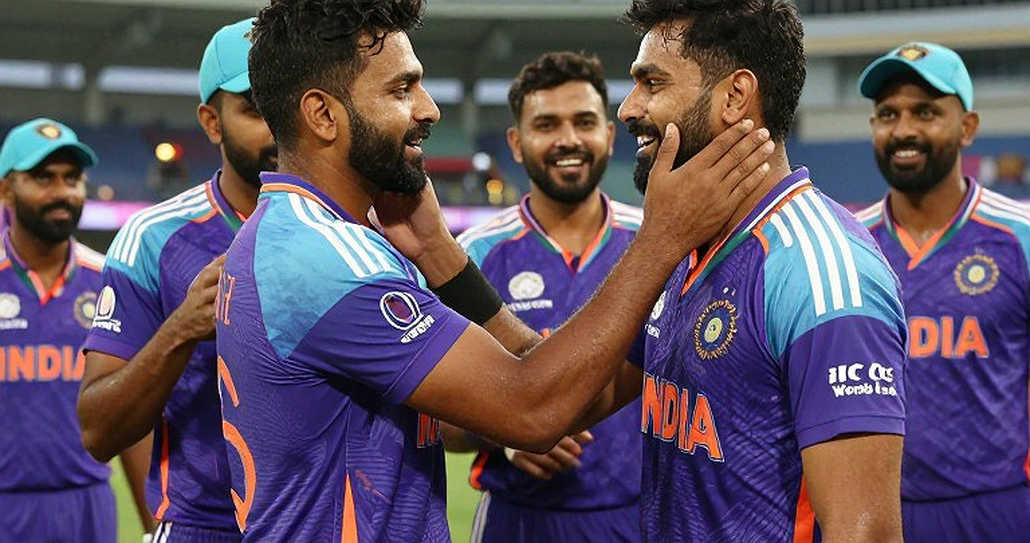
The facts on the table are these. Sydney Sixers opened the season with two wins — one on the final ball, one by a wide margin. Maddy Darke, the Sixers' experienced local keeper, is out for the tournament. The Sixers passed over 21-year-old replacement Grace Lyons and backed Capsey instead. Capsey had already kept for England in September against Ireland when Amy Jones was rested. England coach Charlotte Edwards said publicly after that series that keeping 'could eventually become a full-time gig.'
Let me be clear here. This is not a pure merit-based appointment. It is a combination of opportunity and contingency — Darke's injury opened the door, and the Sixers let an England asset walk through it. Both things are true, and both must be recorded together.
Core
The real story here is not the 'triple threat' label. The real story is the compression of England's post-Healy wicketkeeping succession plan.
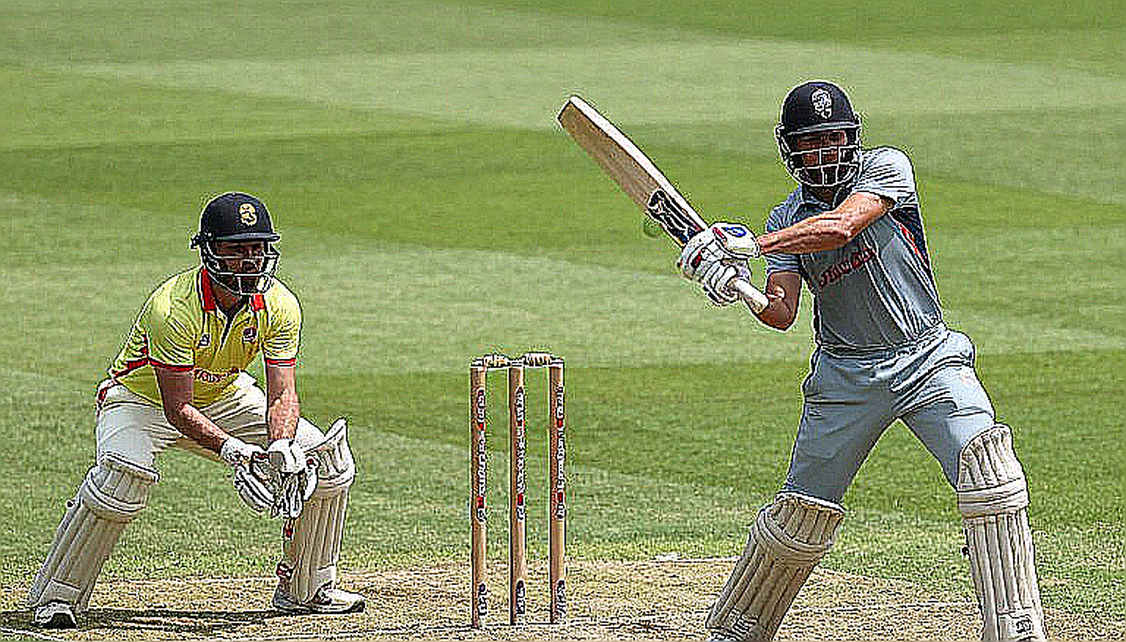
Start with the first sequence. Before the T20 World Cup in June, Capsey was named England's backup keeper — a decision taken despite having never kept at senior level. First senior keeping outing against Ireland in September. Full-time in the WBBL in October. Six months, three stages, and no slow accumulation of experience in between. It is a technically demanding and risk-dense sequence.
Now the second sequence. Alyssa Healy has retired. The spot she occupied at the Sixers fell vacant. At the same time, the backup keeper's slot behind Amy Jones in England is also open. Two national succession stories are being rehearsed in one franchise role. This is not coincidence; it is pipeline design.
Third sequence — and this is the most important one. Capsey is explicit about her keeping: the bowlers are doing their job, so she has not had to take leg-side takes standing up to the stumps. That means her keeping has so far been tested primarily standing back to pace — the easier half of the craft. The harder half — standing up to spin, fast leg-side takes, stumpings off turn — is unverified by her own account.
For me, this is the most useful data point in the whole article. The author's 'triple threat' framing says the conversion is done. The player's own language says she is 'growing into it.' The gap between the two tells you the conversion is genuinely developmental, not accomplished.
From England's perspective, the stake is clear. A keeper who bats top-order and bowls part-time spin frees a squad slot. In modern limited-overs cricket that is no small thing. The model of converting a batting all-rounder into a keeper-batter, if it works, reduces the scarcity premium on specialist keepers. The price of roster space, in future drafts, changes.
But here I must state my bias clearly. This is a curated, England-friendly lens. The source is Cricket Australia's own outlet, and the Sixers are part of the same system. You cannot expect detailed coverage of keeping errors on this channel. What is not shown is also information — or the lack of it.
Contrarian
This is where the most obvious-looking story — 'a batter reinvents herself as a triple threat' — demands the most caution.
First. Keeping skill is not format-agnostic. WBBL T20 keeping does not prepare you for 50-over demands. There, spin spells are longer, squatting loads are heavier, and the proportion of standing up to the stumps rises. A T20 franchise keeping audition does not transport to ODI or Test keeping. If Capsey keeps in a red-ball or 50-over setting at the next ICC event, standing up to spin on spin-heavy pitches, this assessment will look entirely different.
Second. The keeping load is being added to an existing load — batting, part-time spin, and now keeping. Three jobs, one body. Finger injuries, hand injuries, lower-body squatting load — all part of keeping. To my knowledge there is no mention of injury history anywhere in this article. That gap is not just a coverage gap; it is an assessment gap.
Third — and this is my main disagreement. England's keeper-depth problem is the most under-weighted part of this story. Amy Jones is being rested, Capsey is newly converted, and if Jones is injured in a major tournament you will field a keeper with barely any senior repetitions. The 'backup' label now reads closer to 'contingency plan required' than 'luxury option.' This is exactly the kind of gap I log in my pre-match sheet under 'thin-depth risk' — and it shows up when you need it, not before.
Fourth. The Sixers' two-match 2-0 record proves nothing. One win on the final ball, one by a wide margin — a two-match sample, and the two wins are not of the same kind. It is a process-variance signal, not evidence of a stable performance level. For a title claim I need mid-tournament standings and strength-of-fixture data, and neither exists yet.
One thing I will say plainly: I am not against this conversion. I am against undisciplined forecasting. My focus is that the hardest part of the keeping craft — standing up to the stumps — is currently unverified by the player's own testimony, and that same player is now a starting keeper in a major tournament.
Takeaway
The next real stress test is not on the calendar but in the match where Capsey and Dunkley face their former club Melbourne Stars — and the opposition includes a cluster of their current England teammates.
This is an unusual situation. You will be the same batter and the same keeper the opposition has watched in practice for months. Bowlers know where to bowl; you know their weaknesses. The information asymmetry runs both ways. And if a keeping error arrives in that match — a big bye, a missed stumping — the 'triple threat' narrative could swing to 'experiment under scrutiny' within weeks.
I will log that match as an observation point, not a foundational test, because a single match of keeping is a sample regardless. Catches taken standing back, stumpings recorded, byes conceded — these are the numbers that will either break or confirm 'triple threat' over the next two months.
If anything changes from this analysis by next season, it will not be the valuation of Alyssa Healy's vacated keeper spot, but the true depth of England's keeper-production pipeline. Teams that started converting batting all-rounders into keeper-batters have bought squad flexibility — but the price of that purchase may be paid over the coming months in fingers, hands, and a three-stage promotion in six months.
What I want to see is how Capsey stands when the bowlers stop doing their job for her.