
Ishan Kishan's Record Storm: 61 off 32, 1,220 Runs in a Calendar Year and Past the 2,000 Mark
इशान किशन ने एक टी20 मुकाबले में 32 गेंदों पर 61 रन बनाए, जिसमें पांच चौके और पांच छक्के शामिल रहे — 61 में से 50 रन यानी 82 प्रतिशत रन बाउंड्री से आए। इसी पारी के दौरान उन्होंने कैलेंडर वर्ष में सूर्यकुमार यादव का 1,164 रन (2022) का भारतीय रिकॉर्ड तोड़कर 1,220 रन बना लिए; वैश्विक रिकॉर्ड मोहम्मद रिज़वान (1,326 रन, 2021) के नाम है। किशन ने सभी टी20 प्रारूपों को मिलाकर 2,000 रन भी पूरे किए और ऐसा करने वाले सबसे तेज़ भारतीय बल्लेबाज़ों में तीसरे स्थान पर हैं — अभिषेक शर्मा (1,024 गेंद) और सूर्यकुमार यादव (1,164 गेंद) के बाद, उन्होंने 1,345 गेंदें लीं। ध्यान दें: 'भारत के लिए 2,000 टी20 रन' का अर्थ भारतीय खिलाड़ी के रूप में सभी टी20 मुकाबलों के रन हैं, अंतरराष्ट्रीय टी20 के नहीं; और सभी आंकड़ों की पुष्टि आधिकारिक स्कोरकार्ड से की जानी चाहिए।
Ishan Kishan's Record Storm: 61 off 32, 1,220 Runs in a Calendar Year and Past the 2,000 Mark
One innings, three milestones
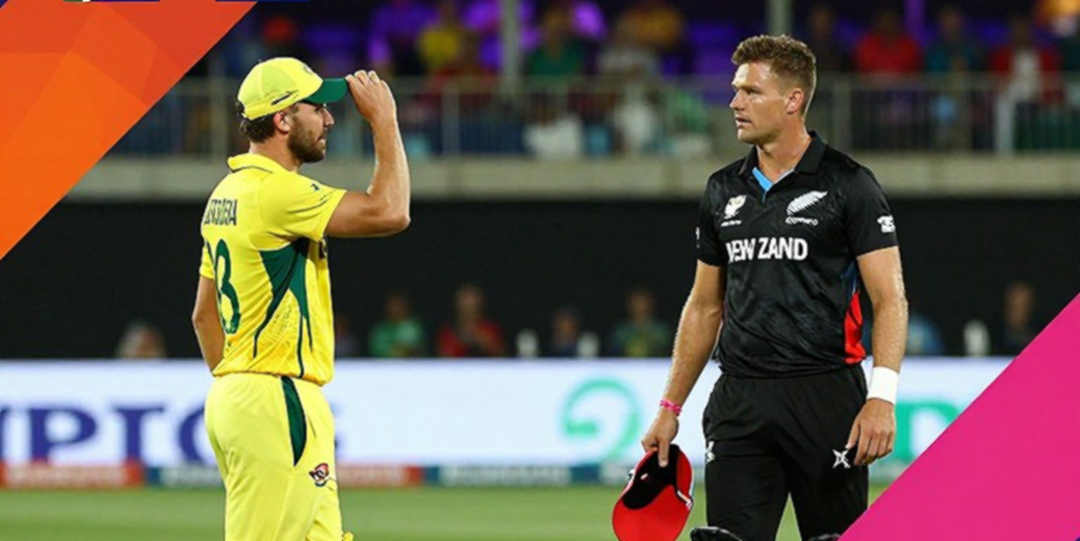
Ishan Kishan struck 61 off 32 balls in a recent T20 fixture, an innings built on five fours and five sixes — a strike rate of roughly 190. On the surface it is merely a rapid half-century. Its significance lies elsewhere: during the same innings Kishan moved past two landmarks — the record for the most T20 runs by an Indian batter in a calendar year, and 2,000 career T20 runs.
According to the figures available, Kishan's calendar-year T20 tally now stands at 1,220, ahead of the 1,164 Suryakumar Yadav made in 2026, which had been the Indian benchmark. Globally he remains behind Mohammad Rizwan's 1,326 from 2026. Kishan is therefore India's No.1 and the world's No.2 on this metric.
The arithmetic of 32 balls
61 runs, 32 balls, five fours and five sixes. Boundary runs: 5x4 = 20 plus 5x6 = 30, so 50 in total — roughly 82 per cent of his score. The remaining 11 runs came off the other 22 balls, at a strike rate near 50. That does not indicate struggle; it shows an innings played at two distinct speeds. Ten balls produced 50 runs, one boundary every 3.2 deliveries — sustained aggression rather than a single-over burst, which is the hardest thing for a fielding captain to counter.
The calendar-year record: 1,220 vs 1,164
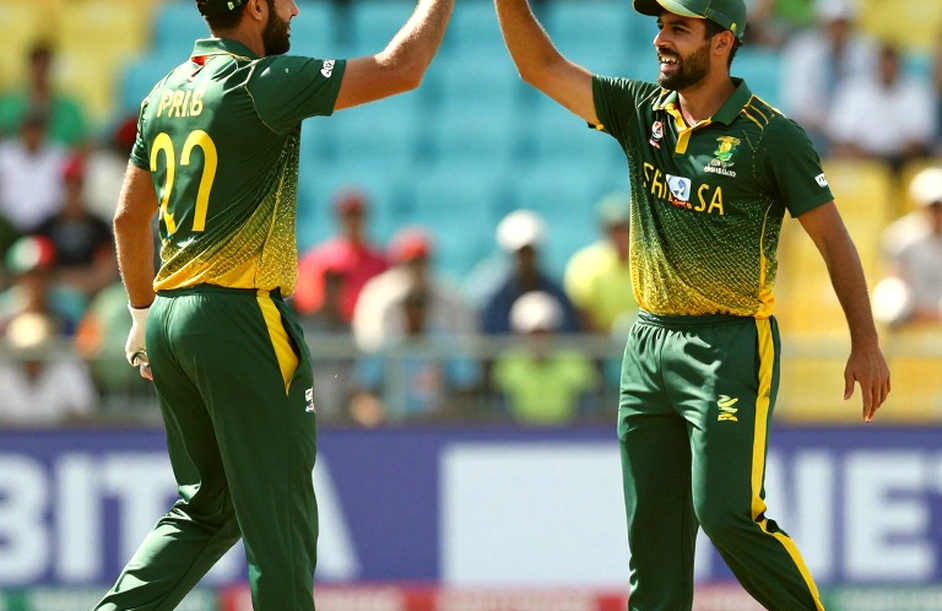
Suryakumar's 1,164 runs in 2026 was the previous Indian mark. Kishan has gone past it. The crucial clarification is the scope: a calendar-year T20 tally counts all T20 cricket — IPL, domestic T20 and international T20 — which is the same basis on which Rizwan's 1,326 is measured. League schedules mean a player who features across a full season has 15-18 more innings than a purely international cricketer, so this record measures availability and durability as much as form.
The global picture: Rizwan's 1,326 still ahead
Kishan is 106 runs short of Rizwan's world record. In T20 terms that is three or four good innings; whether the gap closes depends on fixtures and form. Rizwan's 2026 was built on a very different method — anchoring, preserving wickets, batting long — while Kishan's game is boundary-driven. Both work; the arithmetic differs.
The 2,000-run mark and the 'for India' confusion
Kishan also completed 2,000 T20 runs. This must be read correctly. 'For India' here does not mean 2,000 runs in international T20 for the national side — Kishan's T20I tally is well short of that. It means 2,000 runs as an Indian player across all T20 cricket, the same basis on which Abhishek Sharma's and Suryakumar's figures are counted. Media shorthand often blurs this distinction, and readers deserve the precise version.
Fastest to 2,000: Abhishek ahead, Kishan third
Measured in balls, Abhishek Sharma leads with 1,024 (strike rate around 195), followed by Suryakumar with 1,164 (around 172), then Kishan with 1,345 (around 149). Kishan's third place is respectable but shows his aggression has not yet reached the level of the other two. Notably, all three are Indian — a marker of how the modern Indian T20 batter has changed.
One caution: Suryakumar's 1,164 runs in 2026 and his 1,164 balls to 2,000 are numerically identical but entirely unrelated — one is runs, the other balls. The two must never be conflated in analysis.
Technical reading of the innings
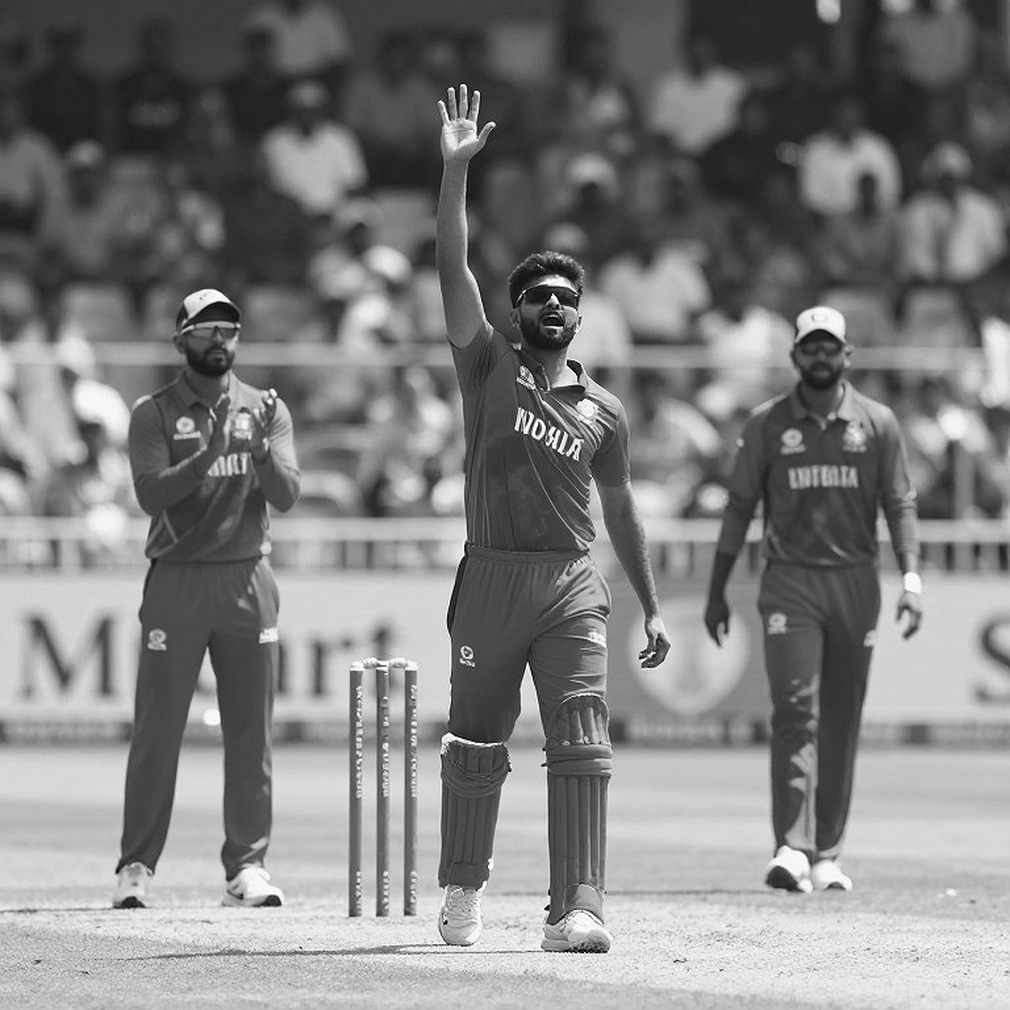
Kishan is a left-hander whose strength lies between cover and midwicket. He plays deep in the crease, which buys him time, and picks up runs on both sides of the wicket — the variety that makes a batter hard to plan against. Five fours and five sixes indicate repeated disruption of the bowlers' lengths. The persistent weakness remains early spin, when the ball is slower and turning. One good innings should not be used to settle conclusions about a batter either way.
Competition for a place
This record arrives amid intense competition for Indian T20 opening slots. A calendar-year run record signals availability as much as form — an injured or frequently dropped player cannot reach it. The selection question it raises is about role clarity: a batter shuffled between opening and middle order cannot produce consistently. The real challenge for Kishan is converting league and domestic weight of runs into international output.
How to read the numbers
Five checks matter: the scope of the calendar year (does it include domestic and league cricket?); the year itself — 'current year' is meaningless without one; the source, since record claims need official scorecards and reputable statistical databases; the risk of transposed figures when two unrelated statistics look identical; and match context — venue, date, opponent and series situation.
What next
Whether Kishan reaches Rizwan's 1,326 depends on the remainder of the season. The record resets every January, which is why a calendar-year mark reflects a peak, not a career. The 2,000-run milestone, meanwhile, keeps growing — with a strike rate near 149, there is clear room to close the gap opened by Suryakumar and Abhishek.
Conclusion
Kishan's 61 off 32, with 82 per cent of his runs in boundaries, carried him past Suryakumar's 1,164 to 1,220 in the calendar year and past 2,000 T20 runs across formats. Rizwan's 1,326 remains ahead; Abhishek (1,024 balls) and Suryakumar (1,164 balls) reached 2,000 faster than Kishan's 1,345. All figures should be confirmed against official scorecards and reputable statistical databases, and 'for India' should be read as an Indian player across all T20 cricket — not international T20 alone.